
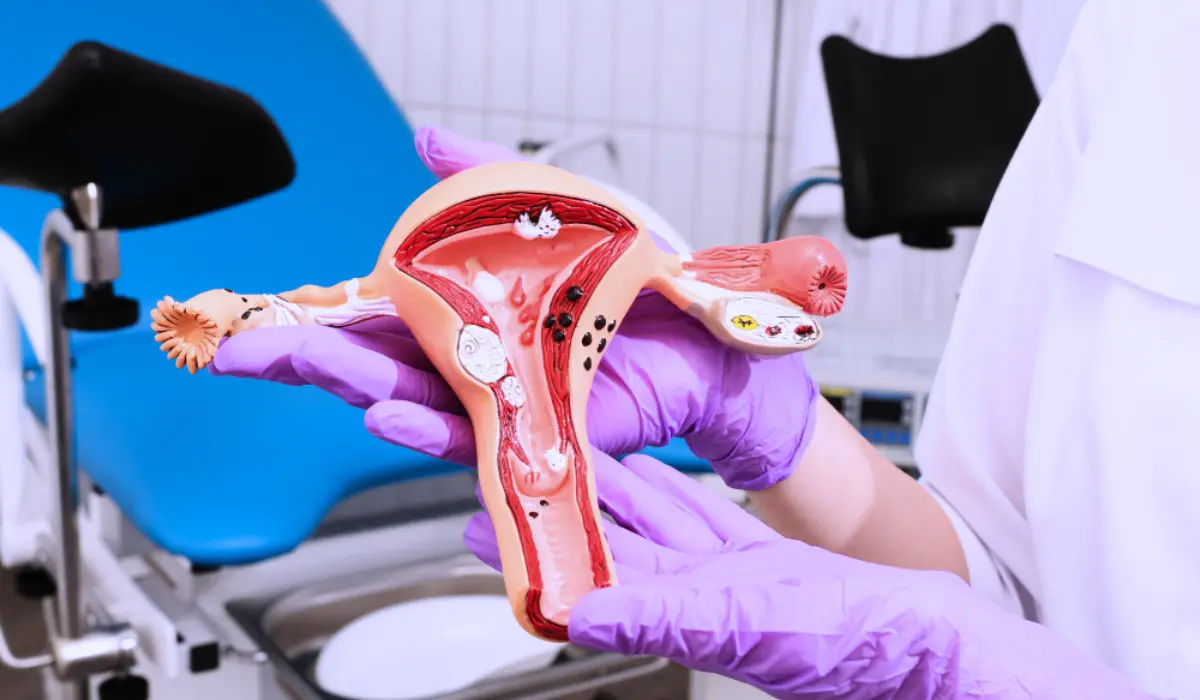
A pap smear is confused with a pelvic exam because a pap smear test is taken during a pelvic exam. Both are important to help identify any abnormalities and detect early signs of cancer and other medical conditions.
What is a Pap Test?
A Pap smear or Pap test checks for any abnormal cells in the cervix, which is the lower part of the uterus. It can identify the abnormalities caused by Human Papillomavirus (HPV). These abnormal cells in the cervix can sometimes indicate precancer or cancer.
How is a Pap Smear Done?
During a Pap smear, the healthcare professional asks you to undress from the waist down and lie on your back on the examination table with your feet resting on the stirrups. The doctor will use a speculum to open the vaginal walls and to get a view of the cervix. Then, using a soft brush and a spatula, the cells are carefully collected. To avoid discomfort and ensure accurate results, do not take a pap smear while on your period.
What is a Pelvic Exam?
Here, the health of your external and internal reproductive organs is evaluated. The reproductive organs include the vulva, vagina, cervix, uterus, and ovaries. Normally, women get their pelvic exam at 18.
How is a Pelvic Exam Done?
You will change into a gown before the examination begins and lie on the examination table with your feet on the stirrups. The doctor will begin by checking the vulva for any kind of abnormalities. Next, the doctor will use a speculum, which is inserted into the vagina and used to spread open vagina walls. Relaxing your muscles can help you eliminate any discomfort. The doctor will insert two fingers inside your vagina to check for any abnormal growths in the vagina and ovaries.
Difference Between a Pap Smear and a Pelvic Exam
- A pelvic exam is broader than a pap smear, which is a specific exam. During the pelvic exam, the doctor undertakes visual inspection, examines your vagina, cervix, uterus, and ovaries using both hands, and performs a pap test.
- While a pap smear looks for abnormalities in the cervical cells, a pelvic exam takes a broader look at reproductive health.
- A Pap smear is always done as part of your pelvic exam, and it is not done alone.
- A Pap smear collects cells from the cervix and detects conditions such as cancer. Whereas a pelvic exam is used to evaluate infections in and around the vagina, and also to detect cancer in areas like the vagina, cervix, uterus, and ovary. Apart from this, a pelvic exam will also help to detect cysts in the ovary and pelvic inflammatory disease.
A Pap smear alone will not be enough most of the time, and the healthcare provider will take a pelvic exam too for a comprehensive detection.
How Often Do you Need to Get a Pap Smear and Pelvic Exam?
Women aged 21 years and older can take a Pap smear, and it should be conducted every 3 years for women up to 30 years old, after which it needs to be done only once every 5 years until age 65. Pap smears, however, will be conducted more often if you have had abnormalities in the past.
A pelvic exam is conducted when there are symptoms like itching, abnormal discharge, pain, or bleeding in the vagina. Pregnant women also get this treatment typically during their first prenatal visit in the first trimester. Those individuals getting an IUD insertion will also undergo a pelvic exam.
Conclusion
A pap smear is often mistaken for a pelvic exam and vice versa. Both are detection tests that detect the presence of any abnormalities that later turn into serious issues like cancer. A pelvic exam is a physical examination, whereas a pap smear is a lab test. Both are important in determining any abnormalities in women’s reproductive health.
Frequently Asked Questions
Both a pelvic exam and a pap smear can be done at the same time. While a pap smear helps detect early signs of cervical cancer, a pelvic exam covers a wider range of areas related to women’s reproductive health.
If the cysts are large, doctors may feel their presence, but if they are small, it may be difficult to see.
Yes, pregnant women can safely take a pelvic exam not only to detect any issues with reproductive organs but also to check the progress of their pregnancy, such as the growth of the baby, etc.
Neither pelvic nor pap smears hurts much, but they can be an uncomfortable experience. If you feel severe pain, immediately inform your doctor.
References
- Pelvic Exam vs. Pap Smear: What’s the Difference?
https://health.clevelandclinic.org/know-difference-pap-test-pelvic-exam - Pelvic Exam
https://www.mayoclinic.org/tests-procedures/pelvic-exam/about/pac-20385135