Pelvic Pain During Pregnancy: What To Know?

pelvic pain during pregnancy

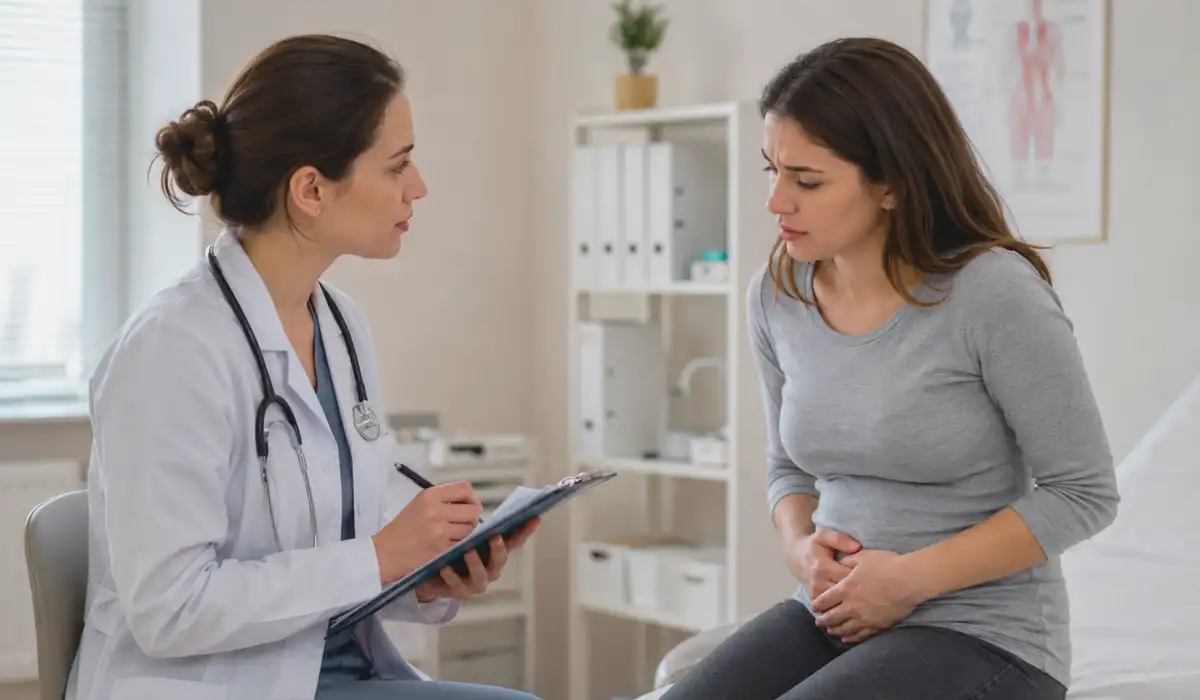
Pelvic pain during pregnancy typically comes from relaxin loosening your joints and ligaments stretching to accommodate your growing baby, and for most women it’s an uncomfortable but harmless part of the third trimester rather than a warning sign. That said, knowing which pains are routine and which ones need a phone call matters. Below is … Read more

Can You Take Prenatal Vitamins Without Being Pregnant? Benefits And Risks

prenatal vitamins without being pregnant

You can usually take prenatal vitamins even when you are not pregnant. However, their higher nutrient levels may not suit every healthy adult’s daily needs. Prenatal vitamins are designed for pregnancy and often contain more folic acid and iron than regular multivitamins. Those amounts can be helpful before conception or after a diagnosed deficiency, but … Read more

Laparoscopic Hysterectomy Guide: Procedure, Risks And Recovery

laparoscopic hysterectomy

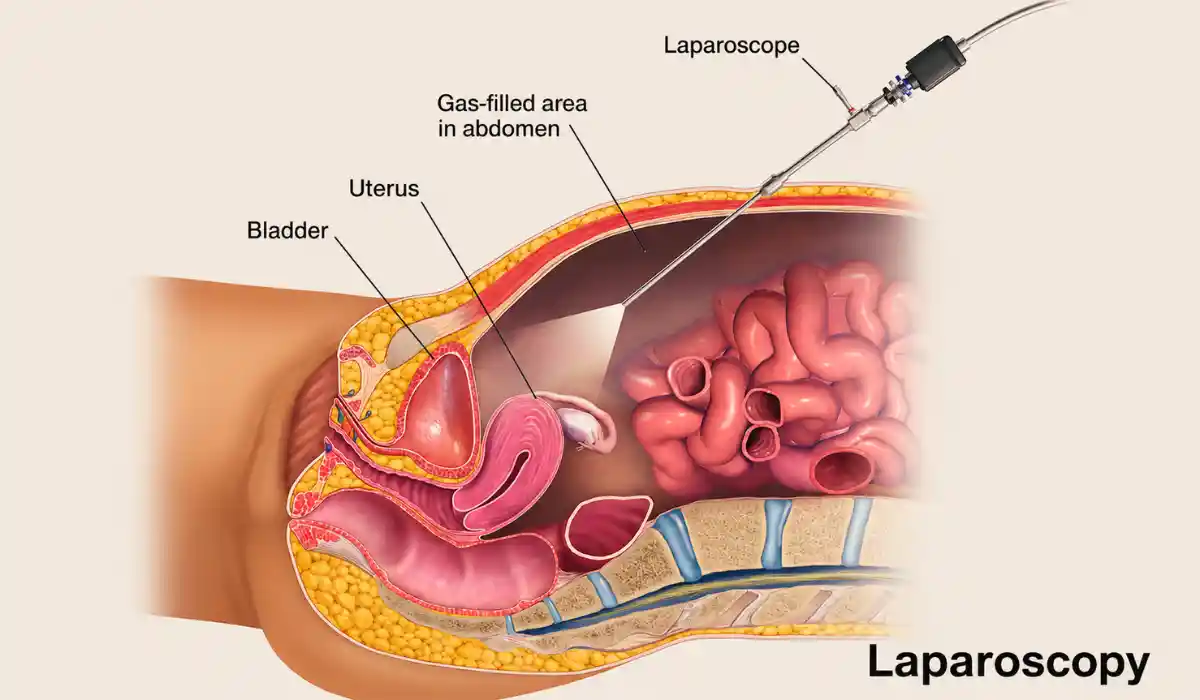
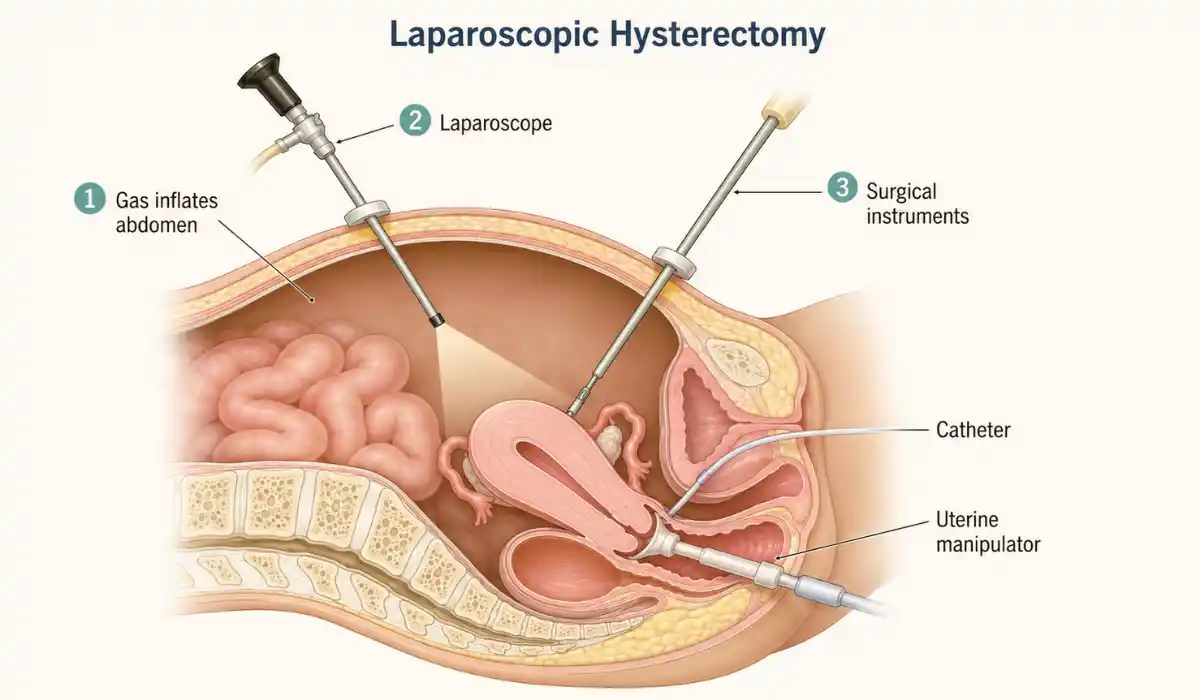
A laparoscopic hysterectomy is an operation that removes the uterus through several small abdominal incisions. A surgeon uses a thin camera called a laparoscope to see inside the pelvis and guide specialized surgical instruments. This minimally invasive approach usually avoids the large incision used during open abdominal surgery. It can lead to a shorter hospital … Read more

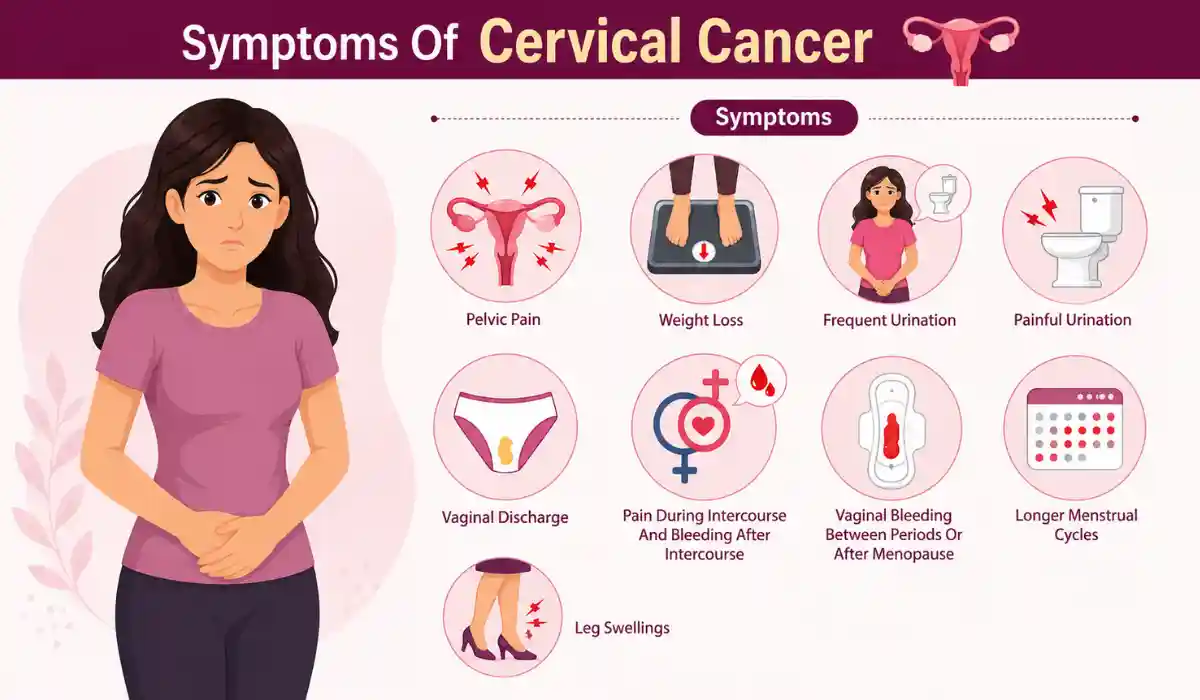
What Are Signs Of Cervical Cancer In Women? Early Warning Symptoms

signs of cervical cancer in women

Women often search for signs of cervical cancer after experiencing unusual bleeding, changes in vaginal discharge, or ongoing pelvic discomfort. Although these symptoms can be worrying, they do not always point to cancer. Hormonal changes, infections, fibroids, cervical polyps, and several other common conditions can cause similar symptoms. Early cervical cancer often causes no noticeable … Read more

Is Cervical Cancer Genetic? HPV And Family Risk Explained

is cervical cancer genetic

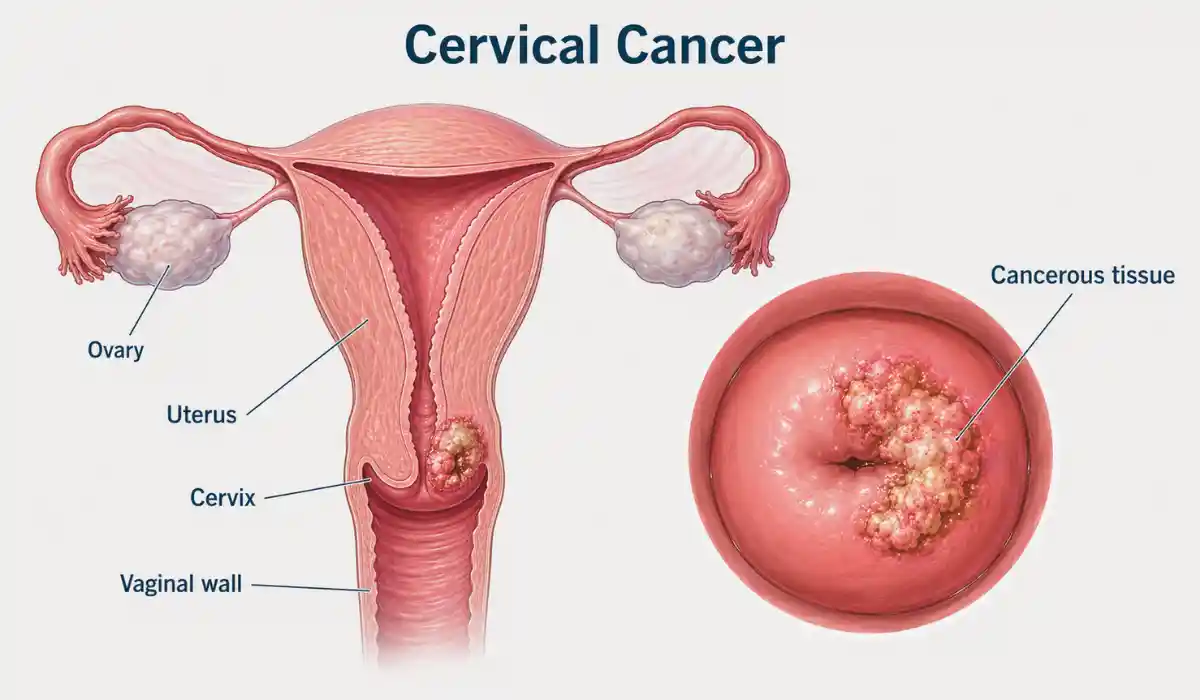
Cervical cancer is not usually inherited. Most cases develop because of a persistent infection with a high-risk strain of human papillomavirus, or HPV, rather than a genetic change passed down through families. Family history can still matter. A mother or sister with cervical cancer may slightly raise your risk, but screening history, smoking, immune function, … Read more