
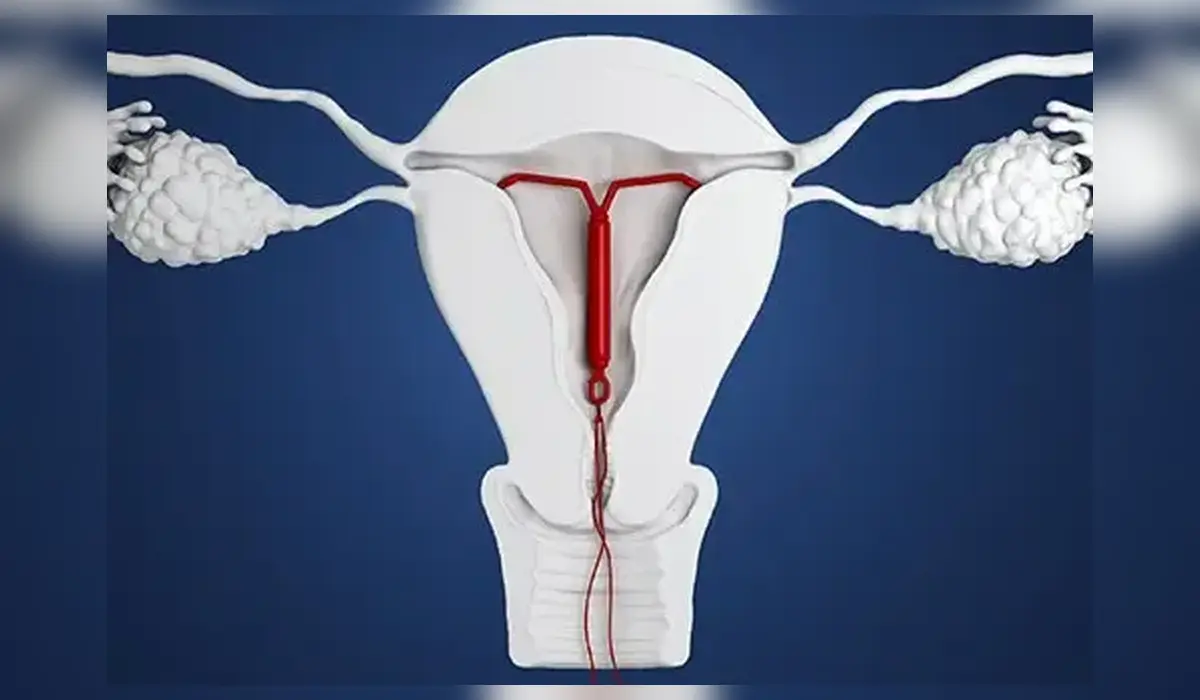
An IUD usually does not cause major weight gain for most people. Some users may notice small changes in weight after getting an IUD, especially with hormonal IUDs, but research has not clearly proven that IUDs directly cause significant weight gain.
The copper IUD does not contain hormones, so it is not expected to cause hormone-related weight changes. If weight gain happens after IUD placement, it may be due to water retention, appetite changes, stress, age, lifestyle habits, postpartum changes, or other health conditions.
Because every body reacts differently, it is important to track symptoms and speak with a healthcare provider if weight gain is sudden, uncomfortable, or comes with other symptoms.
Understanding the Different Types of IUDs
Hormonal IUD
A hormonal IUD releases a small amount of progestin hormone into the uterus. This hormone helps prevent pregnancy by thickening cervical mucus, thinning the uterine lining, and sometimes stopping ovulation.
Common side effects of hormonal IUDs may include irregular bleeding, cramping, pelvic pain, acne, breast tenderness, mood changes, and lighter periods over time. Some people may stop having periods after using certain hormonal IUDs for about one year.
Because hormonal IUDs contain progestin, some people worry that they may cause weight gain. However, the hormone mostly works locally in the uterus. It does not usually affect the whole body in the same way as some other hormonal methods.
Copper IUD
A copper IUD is a hormone-free device placed inside the uterus. It releases copper, creating an environment that makes it difficult for sperm to survive and reach an egg. Because it contains no hormones, it should not directly affect weight.
There is no strong evidence that copper IUDs cause weight gain. However, they may cause heavier periods, menstrual cramps, spotting between periods, or more menstrual discomfort, especially during the first few months after placement while the body adjusts to it.
Can A Hormonal IUD Make You Gain Weight?
Some people report gaining weight after getting a hormonal IUD. This experience is real for them, but it does not always mean the IUD is the direct cause.
Weight can change for many reasons, including age, stress, sleep problems, diet, physical activity, hormonal changes, thyroid issues, PCOS, medications, water retention, or lifestyle changes. Sometimes, these changes happen around the same time someone gets an IUD, making the IUD seem like the main reason.
Scientific research has not found a strong cause-and-effect link between most birth control methods and weight gain, except for the birth control shot, which has stronger evidence for weight gain in some users. For hormonal IUDs, the evidence is much less clear.
Why Some People Notice Weight Changes After An IUD?
Water Retention
Some people may feel bloated or notice small changes on the scale during the first few months after starting hormonal birth control. This may be related to temporary water retention rather than true fat gain.
Water weight can fluctuate from day to day. Salt intake, menstrual cycle changes, stress, and hormones can all affect how much fluid the body holds.
Appetite Changes
Some people feel hungrier after starting a hormonal method, although this does not happen to everyone. If appetite increases and calorie intake rises over time, weight gain may follow.
This is why tracking eating patterns, cravings, and activity levels can be helpful before blaming the IUD alone.
Natural Body Changes
Many people start using an IUD during their late teens, twenties, after childbirth, or during other major life changes. These are also times when weight naturally changes for many people.
Postpartum recovery, reduced sleep, stress, new routines, less exercise, and changes in eating habits can all affect weight.
How Much Weight Gain Is Normal?
There is no fixed amount of weight gain that is considered “normal” after an IUD. Some people gain no weight at all. Some may gain a few pounds, while others may notice more noticeable changes.
A small weight change over several months can happen for many reasons. However, sudden or unexplained weight gain should not be ignored, especially if it comes with swelling, fatigue, hair loss, mood changes, missed periods, or changes in appetite.
Should You Remove An IUD Because Of Weight Gain?
You do not always need to remove an IUD just because your weight changes. First, it may help to look at the full picture.
Ask yourself:
- Did your eating habits change?
- Are you sleeping less?
- Are you more stressed than usual?
- Did your activity level decrease?
- Are you taking any new medicines?
- Did the weight gain happen suddenly or slowly?
If weight gain is mild and there are no serious symptoms, your doctor may suggest waiting a few months while monitoring your body. If the weight gain feels significant, uncomfortable, or clearly started after the IUD, speak with your healthcare provider about your options.
Tips To Manage Weight After Getting An IUD
Track Your Weight And Symptoms
Instead of checking the scale every day, track your weight once a week. Also note changes in appetite, mood, energy, sleep, bloating, and periods.
This can help your healthcare provider understand whether the weight change may be related to hormones, lifestyle, or another health issue.
Focus On Balanced Meals
Choose meals with protein, fiber, healthy fats, and slow-digesting carbohydrates. This can help control hunger and reduce cravings.
Good options include eggs, fish, beans, lentils, Greek yogurt, vegetables, fruits, nuts, seeds, oats, and whole grains.
Stay Active
Regular movement supports metabolism, mood, and energy. You do not need intense workouts every day. Walking, strength training, cycling, yoga, swimming, or simple home exercises can help.
Strength training is especially helpful because it supports lean muscle mass, which may help with long-term weight control.
Sleep And Stress Matter
Poor sleep and high stress can affect hunger hormones and make weight management harder. Try to keep a regular sleep schedule and use stress-reducing habits like deep breathing, stretching, journaling, or light evening walks.
When To See A Doctor?
Speak with a healthcare provider if you notice rapid weight gain, severe bloating, swelling in the legs or face, unusual fatigue, missed periods, pelvic pain, heavy bleeding, mood changes, or signs of pregnancy.
You should also contact a doctor if your IUD strings feel longer or shorter than usual, you cannot feel the strings, sex becomes painful, or you have fever, foul-smelling discharge, or worsening pelvic pain.
Final Verdict
For most people, an IUD is not strongly linked to major weight gain. Hormonal IUDs may cause side effects in some users, but research does not clearly prove that they directly cause significant weight gain for most people. Copper IUDs do not contain hormones and are not expected to cause weight gain.
If your weight changes after getting an IUD, do not ignore your experience. Track your symptoms, review lifestyle changes, and speak with a healthcare provider. The best birth control method is one that fits your body, health needs, and comfort level.
FAQs
1. Does IUD cause weight gain in everyone?
No, an IUD does not cause weight gain in everyone. Many people use hormonal or copper IUDs without any noticeable change in body weight.
2. Which IUD is less likely to cause weight gain?
The copper IUD is less likely to be linked with weight gain because it does not contain hormones. Hormonal IUDs also usually do not cause major weight gain.
3. Can Mirena cause weight gain?
Some people report weight gain with Mirena, but research has not clearly proven that Mirena directly causes significant weight gain in most users.
4. Why am I gaining weight after getting an IUD?
Weight gain after an IUD may be related to diet, stress, sleep, age, hormonal changes, water retention, medications, thyroid issues, or lifestyle changes.
5. Will weight go down after IUD removal?
Some people notice changes after IUD removal, but weight loss is not guaranteed. If weight gain has another cause, removing the IUD may not fix it.
6. When should I worry about weight gain with an IUD?
See a doctor if weight gain is sudden, severe, or comes with swelling, fatigue, pelvic pain, heavy bleeding, mood changes, or pregnancy symptoms.
References
1. Mayo Clinic
Hormonal IUD (Mirena)
https://www.mayoclinic.org/tests-procedures/mirena/about/pac-20391354
2. Planned Parenthood
What Are the Disadvantages of IUDs?
https://www.plannedparenthood.org/learn/birth-control/iud/what-are-the-disadvantages-of-iuds
3. PubMed
Progestin-Only Contraceptives: Effects on Weight
https://pubmed.ncbi.nlm.nih.gov/27567593/
4. Cleveland Clinic
Birth Control and Weight Gain: What the Science Says
https://health.clevelandclinic.org/does-going-on-birth-control-make-you-gain-weight