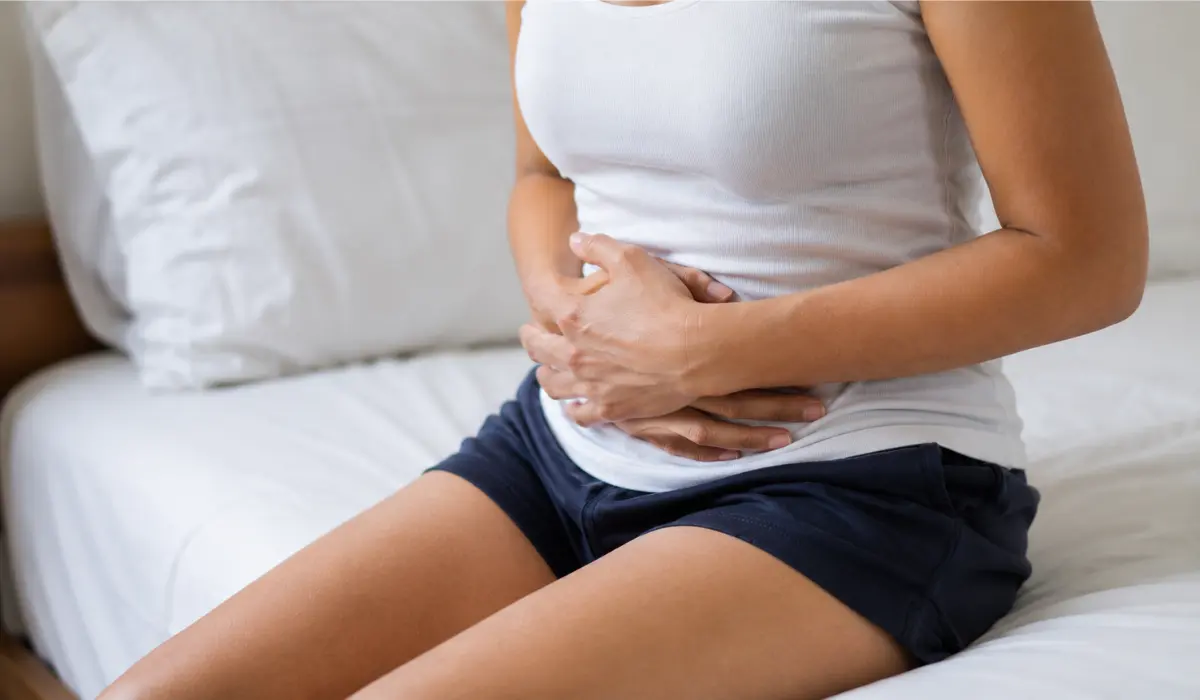
Many women notice lower belly pain and wonder whether it is a sign of pregnancy or the start of their period. Early pregnancy cramps vs period cramps can feel very similar, especially in the first few weeks. Both may cause mild pulling, pressure, or aching in the lower abdomen.
However, there are small differences in timing, intensity, location, and other symptoms. Understanding these differences can help you know what your body may be trying to tell you.
What Do Early Pregnancy Cramps Feel Like?
Early pregnancy cramps are usually mild and may feel like light pulling, stretching, or pressure in the lower belly. Some women describe the feeling as similar to mild menstrual cramps, but not as strong.
These cramps may happen because the uterus is beginning to change. After implantation, the body starts preparing the uterus to support pregnancy. Hormonal changes can also affect the muscles and ligaments around the pelvic area.
Early pregnancy cramps may come and go. They are often not constant and usually do not become severe. Some women may also feel slight lower back discomfort or bloating along with the cramps.
What Do Period Cramps Feel Like?
Period cramps are usually caused by the uterus tightening to shed its lining. These cramps often feel stronger than early pregnancy cramps. They may feel like a deep ache, pressure, or squeezing pain in the lower abdomen.
Period cramps usually start shortly before bleeding begins or on the first day of the period. For many women, the pain is strongest during the first one or two days of bleeding.
Period cramps may also spread to the lower back, hips, and thighs. Some women may feel tired, moody, bloated, or have headaches before or during their period.
Early Pregnancy Cramps vs Period Cramps: Key Differences
The main difference is usually timing and intensity. Early pregnancy cramps may happen around the time implantation occurs, which is often before a missed period. Period cramps usually happen just before or during menstrual bleeding.
Early pregnancy cramps are often lighter and may feel more like mild stretching. Period cramps may feel stronger, heavier, and more rhythmic.
Another difference is bleeding. Period cramps are usually followed by normal menstrual bleeding. Early pregnancy cramps may come with light spotting or implantation bleeding, but not heavy bleeding. This spotting may be pink or brown and usually does not last long.
Timing Of Cramps
Timing can give an important clue. If cramps happen a few days before your expected period, they may be premenstrual cramps. If cramps happen with a missed period or unusual light spotting, pregnancy may be possible.
Some women feel implantation cramps about 6 to 12 days after ovulation. These cramps are usually mild and short-lived. Period cramps usually appear closer to the start of menstrual bleeding.
Still, timing alone cannot confirm pregnancy. Cycles can change due to stress, illness, travel, hormonal changes, or lifestyle changes.
Bleeding And Spotting Differences
Bleeding can help you compare early pregnancy cramps vs period cramps. Period bleeding is usually heavier and may become bright red. It often lasts several days and may include clots.
Implantation spotting, on the other hand, is usually very light. It may appear as a few spots of pink or brown blood. It usually does not fill a pad or continue like a normal period.
If bleeding becomes heavy, painful, or unusual, it is important to speak with a healthcare provider.
Other Symptoms That May Help
Cramps alone are not enough to know whether you are pregnant or getting your period. Other symptoms may give more clues.
Possible Early Pregnancy Symptoms
Early pregnancy may cause nausea, breast tenderness, tiredness, frequent urination, food changes, mood changes, and a missed period. Some women may also feel bloated or notice mild lower back pain.
Possible Period Symptoms
Before a period, many women experience mood swings, acne, bloating, breast soreness, headaches, food cravings, and fatigue. These symptoms can overlap with early pregnancy symptoms, which makes it hard to tell the difference without a test.
When Should You Take A Pregnancy Test?
A pregnancy test is the most reliable way to know if cramps are related to pregnancy. For best results, take a home pregnancy test after a missed period. Testing too early may give a false negative result because pregnancy hormone levels may still be low.
Using first-morning urine may help improve accuracy. If the test is negative but your period still does not start, test again after a few days or speak with a healthcare provider.
When Are Cramps A Concern?
Mild cramps can be normal before a period or in early pregnancy. However, some symptoms should not be ignored.
Seek medical help if you have severe one-sided pain, heavy bleeding, dizziness, shoulder pain, fever, fainting, or worsening cramps. These symptoms may need urgent medical attention.
Pain with heavy bleeding during pregnancy can also be a warning sign. It is always better to get checked if something feels unusual or intense.
Can Stress Cause Cramps Or A Late Period?
Yes, stress can affect the menstrual cycle. High stress may delay ovulation, make a period late, or cause changes in cramps and bleeding. Poor sleep, sudden weight changes, intense exercise, and illness can also affect your cycle.
Because of this, a late period does not always mean pregnancy. However, if pregnancy is possible, taking a test is the best next step.
Final Verdict
Early pregnancy cramps and period cramps can feel very similar. Early pregnancy cramps are often mild, short, and may feel like pulling or stretching. Period cramps are often stronger and are usually followed by normal menstrual bleeding.
Because symptoms overlap, the only reliable way to know is to take a pregnancy test after a missed period. If cramps are severe, bleeding is heavy, or pain feels unusual, contact a healthcare provider for proper advice.
FAQ
Early pregnancy cramps are usually mild and may feel like light pulling or stretching. Period cramps are often stronger and usually happen with normal bleeding.
Yes, they can feel very similar. That is why cramps alone cannot confirm pregnancy. A pregnancy test after a missed period gives a clearer answer.
Early pregnancy cramps may come and go for a few days. They are usually mild. Severe or worsening cramps should be checked by a doctor.
Yes, mild cramps can happen in early pregnancy as the uterus begins to change. However, heavy bleeding or sharp pain needs medical attention.
Take a pregnancy test after your missed period for the most accurate result. If it is negative but your period does not come, test again later.
References
1. Mayo Clinic
Symptoms of Pregnancy: What Happens First
https://www.mayoclinic.org/healthy-lifestyle/getting-pregnant/in-depth/symptoms-of-pregnancy/art-20043853
2. Cleveland Clinic
Am I Pregnant? Early Pregnancy Symptoms & When To Test
https://my.clevelandclinic.org/health/articles/9709-pregnancy-am-i-pregnant
3. NHS
Stomach Pain in Pregnancy
https://www.nhs.uk/pregnancy/common-symptoms/stomach-pain/
4. Mayo Clinic
Menstrual Cramps: Symptoms & Causes
https://www.mayoclinic.org/diseases-conditions/menstrual-cramps/symptoms-causes/syc-20374938