
Herpes Simplex Virus (HSV), commonly known as herpes, and Human Papillomavirus (HPV) are two completely different sexually transmitted viruses that commonly cause genital lesions. They have many similarities as well as many major differences.
Both herpes and HPV can be present in a person without any visible symptoms. But, HPV is more common than herpes. Around 90% of sexually active individuals get infected with HPV or HSV at least once in their lifetime. Some might even contract both viruses. Their similarities can make people confused.
Knowing their differences, similarities, symptoms, and impacts can help you recognize them and seek medical attention fast and early. In this article, let’s have a detailed analysis of the major differences between HPV and herpes, their key symptoms, health impacts, necessary tests, and diagnosis.
Major Differences Between HPV and Herpes
The key differences between HPV and herpes appear in terms of their primary symptoms, duration of infection, cure, long-term risks, and prevention.
Human Papillomavirus (HPV)
HPV is an infection caused by a DNA virus from the papillomavirus family called human papillomavirus (HPV).
In most cases, HPV appears to be asymptomatic, making it undetectable without regular checkups. There are over 200 different types (strains) from the papillomavirus family that cause the infection.
While the low-risk HPV strains may cause genital warts, the high-risk strains may lead to cancer. They are the primary cause of cervical cancers across the globe. Among them, HPV 16 and 18 appear to be more dangerous and cause around 70% of cervical cancers.
Herpes Simplex Virus (HSV)
Although not lethal, herpes is a chronic infection caused by the variants of herpes simplex virus (HSV). Although herpes can exist without showing any symptoms, when they break out, the symptoms can be very painful compared to HPV.
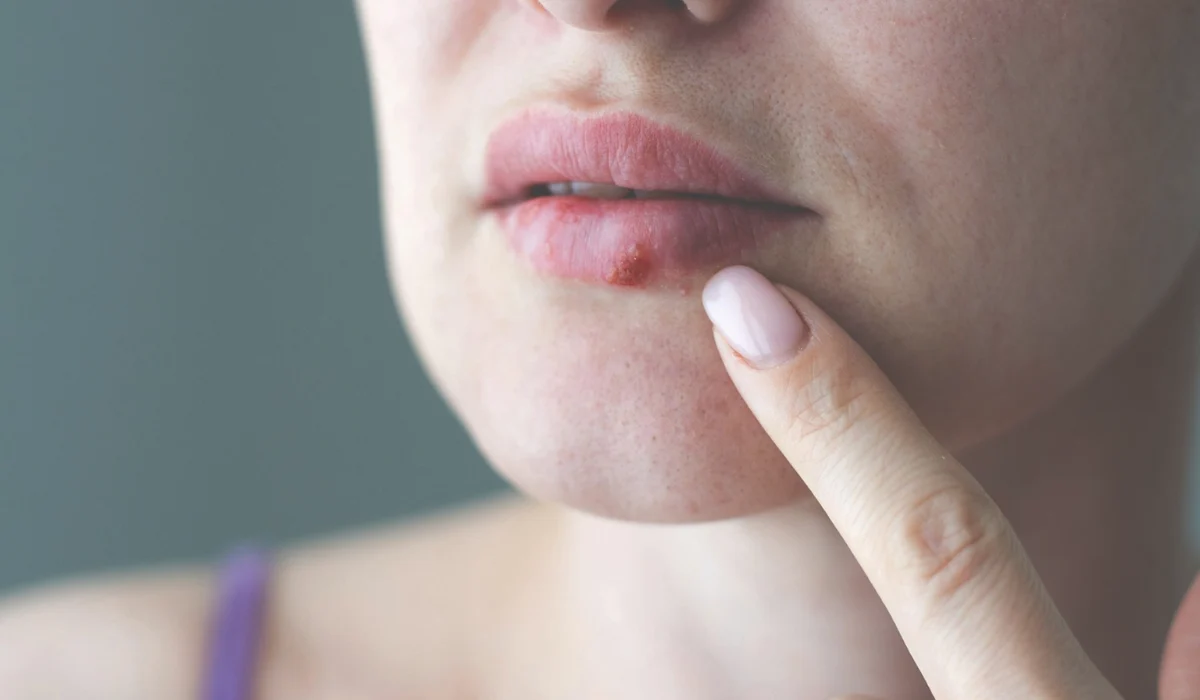
Herpes primarily causes painful, fluid-filled blisters in the mouth or around the genitals, which become ulcers or sores when broken. There are two types of herpes: oral herpes and genital herpes.
Oral herpes is caused by HSV-1, which is often contracted in childhood, from mother to child through birth. It can also be transmitted to the genitals through oral sex. It causes cold sores or fever blisters on or around the lips. Meanwhile, genital herpes, caused by HSV-2, is transmitted sexually and causes painful blisters or sores around the genitals, rectum, or buttocks.
Major Symptoms and Health Impacts
Most people who contract HPV or HSV won’t realize they are infected for a long time. This is because both infections can lie dormant for months or years without any visible symptoms.
Most HPV infections don’t show any symptoms for months or years. However, some low-risk strains may cause genital warts, which are the primary symptoms of HPV. Genital warts often look like painless, flesh colored small bumps or cauliflower-like clusters.
The high-risk HPV strains do not cause any visible warts. But they can lead to certain changes in the cells and the development of abnormal cells. If left unmonitored, they can lead to cervical cancer or cancer in the vagina, uterus, penis, rectum, or even in the throat.
Although herpes can show no symptoms at all or very mild symptoms, it can typically cause painful blisters that can break open into shallow, slow-healing ulcers or sores. The blisters can cause a tingling, itching, or burning sensation around the area. It can also cause flu-like symptoms during its first outbreak, including fever, body aches, and swollen glands. The virus may remain dormant in the nerve cells and can cause periodic outbreaks.
Prevention of Transmission and Diagnosis
It is important to note that HPV and herpes can transmit even when there are no visible symptoms.
Although HPV is primarily transmitted through any type of sexual contact, including vaginal, anal, or oral kinds, research shows that it can also spread through non-sexual means, such as skin-to-skin contact, environmental surfaces, and from mother to child during birth.
Herpes is also transmitted via direct skin-to- skin contact with infected body fluids or active lesions. It is diagnosed via physical exam or by collecting the fluid from the sores using a swab and testing the sample in a lab.
Although there is no general screening test for HPV in men, in women, during their routine well-woman exam, a Pap smear is usually performed to check for cervical cell changes or abnormalities. Along with it, sometimes the doctor also performs an HPV DNA test to check for the presence of high-risk HPV strains.
Condoms or dental dams can reduce transmission to some extent in both cases. However, since they don’t cover all the body parts, transmission can still occur.
Treatment and Management of Symptoms
Herpes is a lifelong infection, which has no cure but is highly treatable. Antiviral drugs can help shorten outbreaks. They can also reduce the severity of symptoms and the frequency of recurrence. You may use over-the-counter medications, warm baths, or cold compresses for pain relief.
In the case of HPV, most strains get eliminated by the body’s immune system within one or two years. Although the virus itself is not curable, the genital warts can be treated effectively. In the case of development of abnormalities, precancer, or cancer due to the high-risk strains, your doctor will decide the follow-up tests and treatments based on the severity of your condition, your age, the specific strain detected, and past test history.
Conclusion
Being sexually transmitted infections, it is important to have adequate awareness regarding HPV and herpes. Knowing the exact symptoms of both infections will help you prepare yourself for the follow-up tests and treatments.
Regular health checkups can become very crucial in detecting the presence of STIs. Regular well-woman exams are very important for women in finding abnormalities in their cervical cells and assessing the risks of cervical cancer.
Frequently Asked Questions
Generally, HPV is considered more dangerous than herpes. Although mild HPV infections resolve on their own, its high-risk strains are the primary cause of cervical cancer and can cause cancers of the anus, throat, penis, and vagina.
HPV is an STI (Sexually Transmitted Infection) primarily spread through direct skin-to-skin contact, usually during vaginal, oral, or anal sex. Even if the infected person does not show any visible symptoms of HPV, they can still transmit the virus.
Although not lethal, herpes is a chronic infection with painful symptoms, which include tingling, itching, burning sensations, painful urination, flu-like symptoms, and painful, fluid-filled blisters, ulcers, or sores around the genitals or in the mouth.
Although stress does not have any direct impact on a sexually transmitted infection like HPV, chronic stress can actively weaken your body’s immune system, which is supposed to fight and eliminate dormant infections. This can cause a flare-up.
References
- Blog: What’s the difference between HPV, HIV, and HSV (herpes)?
https://www.uth.edu/news/story/blog-whats-the-difference-between-hpv-hiv-and-hsv-herpes - Basic Information about HPV and Cancer
https://www.cdc.gov/cancer/hpv/basic-information.html