
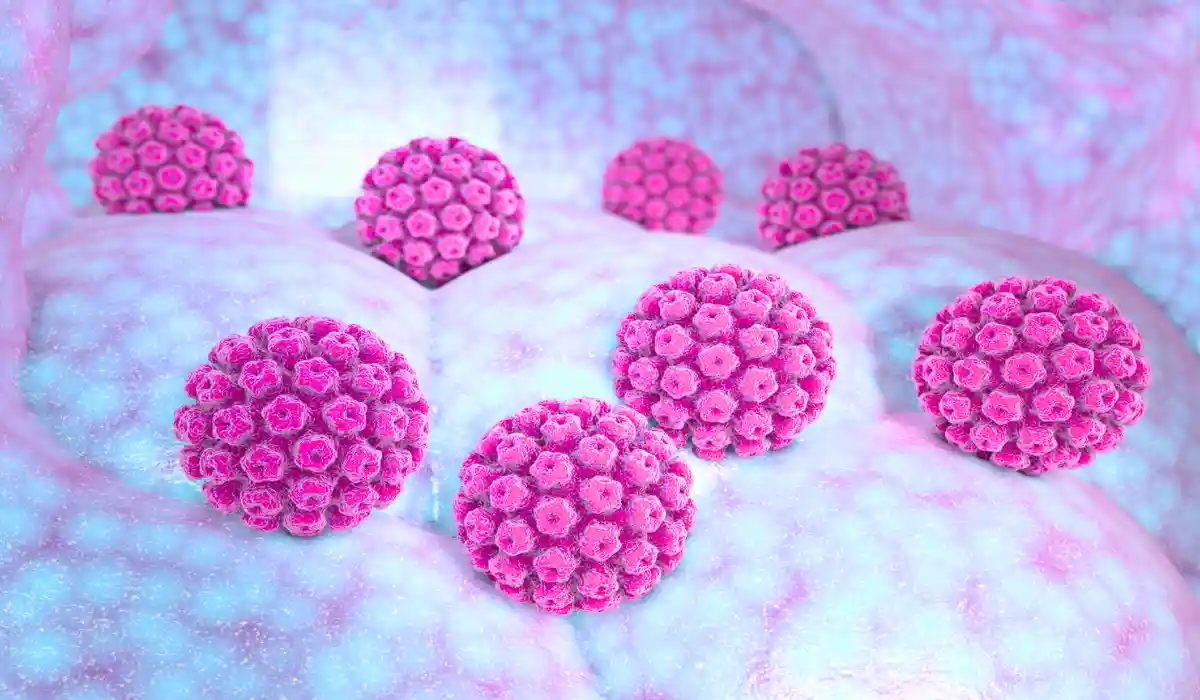
Testing positive for HPV but negative for 16 and 18 means that you have an HPV infection; however, it is not caused by strains 16 or 18. Understanding the various types of HPV strains and the risks associated with them will help you understand your HPV test result, what to expect, and how to prepare yourself for the next procedures.
The HPV Test: Positive vs Negative
An HPV test is done to check for the presence of high-risk human papillomavirus in your cervical cells, specifically the strains that cause cancer. An HPV test is performed very similarly to the Pap smear. Often, an HPV test is conducted alongside a Pap smear to provide a clearer analysis of your cervical health.
The cervical cell sample collected by your healthcare provider during your pelvic examination will be used to detect the genetic material (DNA or RNA) from the HPV virus in your cervical cells.
Although a positive HPV test result can make you feel anxious, it does not mean you have cancer or that your reproductive health is at risk. A positive HPV result only means that high-risk HPV DNA has been found in your cervical cells. To confirm whether you have cancer, precancer, or a higher chance of developing abnormal cells, you need to undergo follow-up tests and analysis.
The next steps typically involve a follow-up Pap smear, colposcopy, or a repeat test after a year to check for any change. Based on your age, past test history, and the detected HPV strains, your physician will decide the follow-up procedure needed for the positive HPV test result.
Meanwhile, a negative HPV result means that you are at low risk of developing cervical cancer in the near future. As part of your routine examination, your next test will be only after 3 to 5 years (depending on your age).
The HPV Strains 16 and 18: What Does It Mean When They Are Negative?
There are over 200 different types (strains) of HPV, which are classified into low-risk types and high-risk types. While the low-risk strains (such as HPV 6 and 11) cause only skin or genital warts, the high-risk strains can lead to precancerous lesions or cancers, primarily cervical cancer.
Among them, HPV 16 and 18 are the most dangerous ones, causing around 70% of cervical cancer. Between them, HPV 16 os condidered more aggressive and worse, causing about 50% to 60% of cervical cancer globally. In an HPV test, these two are specifically tested since they are commonly linked to the risk of cancer.
When your HPV test result is positive but the 16 and 18 are negative, it means that your high-risk HPV infection is not caused by either 16 or 18, but some other strain. This will lower your overall risk. However, your doctor might recommend close monitoring of your health, which is very important. The next steps after this rely on the result of your Pap smear.
If your Pap smear is normal, you will be recommended to repeat the test in about a year to check whether the infection has cleared. Whereas, if the result is abnormal, a colposcopy will be performed, during which your doctor can take a closer look at your cervix. Regular follow-up with your doctor will be best to prevent the development of abnormalities.
Conclusion
An HPV test is very important during your routine health checkup. It is often co-tested with your Pap smear for a complete picture of your cervical health. It can help early detection and prevention of cancer or precancer in your cervix.
However, a positive HPV result is not a confirmation that you have cervical cancer. Having a good awareness of the types of HPV, their impact, and severity can help you stay calm and move to the next step without increased stress.
Frequently Asked Questions
Although a positive test result for high-risk HPV means you are infected with an HPV strain that is linked to cervical cancer. But it does not mean that you have cancer. In 90% of cases, your immune system fights back and clears the virus within two years.
HPV 16 is typically worse than HPV 18. Although both 16 and 18 are high-risk strains that cause around 70% of cervical cancer, HPV 16is more dangerous and considered more aggressive, causing about 50% to 60% of cervical cancer across the world.
For the majority of individuals, HPV infection resolves on its own, as the body’s immune system fights the virus and eliminates it from the body within one or two years (~6 to 18 months) without causing any severe health issues or cancer.
If your HPV test result is positive, your healthcare provider will decide the next step based on your age, past test history, and the detected HPV strains. Based on the severity, follow-ups usually include a colposcopy or a retest after a waiting period.