
Human papillomavirus (HPV) and herpes simplex virus (HSV) are both sexually transmitted infections (STIs) that often get confused as they sound similar. Is HPV herpes? A common confusion that many have? HPV is not herpes, and they are caused by two different viruses. Let’s understand the difference between HPV and herpes.
What is HPV?
Human papillomavirus, or HPV, is a commonly found sexually transmitted infection that is not harmful in most cases and goes away without showing any symptoms. It is said that most sexually active people get HPV at least once at some point in their lives. It is spread during sexual intercourse through skin-to-skin contact.
HPVs are of 200 types, and not all of them are safe. These viruses can be classified into two types: low-risk and high-risk. HPV 6 and 11 come under low-risk types, whereas HPV 16 and 18 come under high-risk types. Low-risk types are not harmful and commonly cause warts, whereas the high-risk types can lead to cancer. HPV can lead to cancer in the cervix and other private parts, including the vagina, vulva, penis, anus, and throat.
Symptoms of HPV
HPV does not really show any symptoms; however, warts appear in the hands, feet, face, or genital area based on the type of HPV. A person can have HPV and show zero symptoms.
What is Herpes?
Herpes, caused by the Herpes simplex virus (HSV), is an STI characterized by the formation of fluid-filled blisters around the mouth, lips, or genital area.
There are two types of the herpes virus, HSV- 1 and HSV- 2. While HSV-1 mainly causes oral herpes and is transmitted through oral sex, HSV-2, which mainly causes genital herpes, is transmitted through genital contact. The herpes virus cannot be fully removed as it stays hidden without showing any symptoms.
Symptoms of herpes
Like HPV, herpes doesn’t show many symptoms. HSV-1 predominantly causes oral herpes, and the symptoms of oral herpes include headache and other flu-like symptoms, fluid-filled blisters around the mouth, itching, and pain. HSV-2 primarily causes genital herpes, and the symptoms include flu-like symptoms, blisters, pain while urinating, pain in the genital area and leg, and itching around the genital area.
Difference between HPV and Herpes
| HPV | Herpes | |
| Caused by | Human papillomavirus | Herpes simplex virus |
| Transmission | During sex through skin to skin cointact | Both genital and oral contact |
| Symptoms | Genital warts | Fluid-filled blisters |
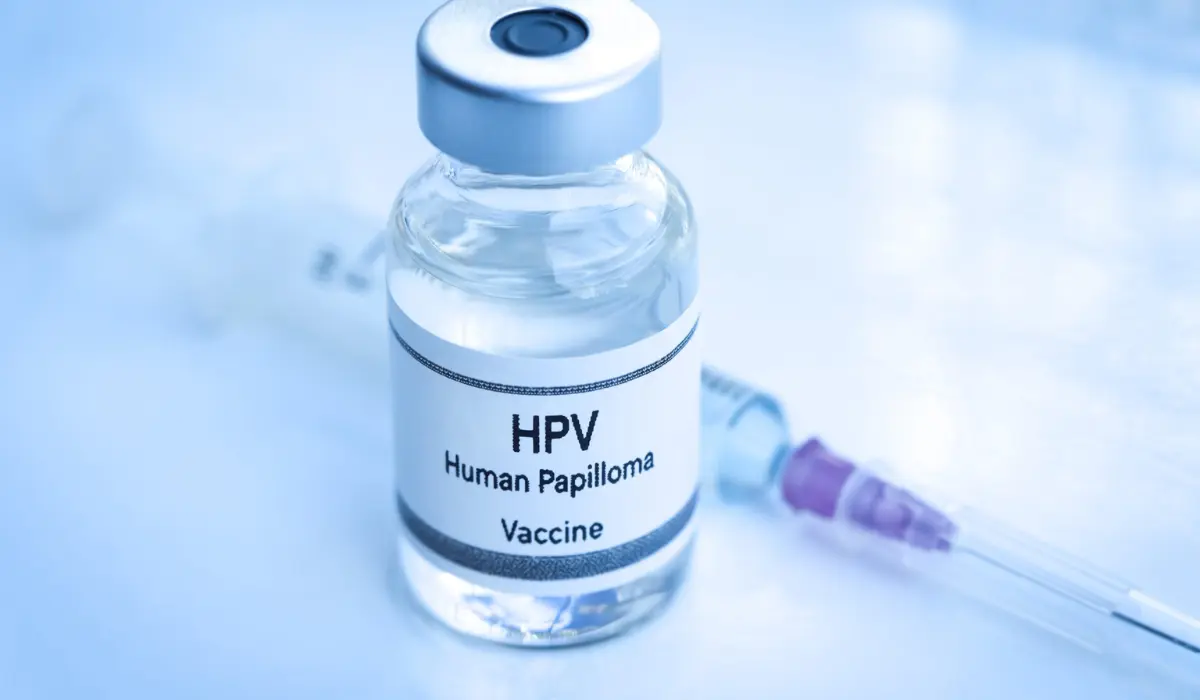
| Prevention | HPV vaccine | No vaccine, however, as a preventive measure, use protection during sex |
| Treatment | Medications or surgery | Antiviral medication. |
| Incubation time | 2 to 8 months; however, it takes 2 to 3 months for symptoms to appear | A few days to weeks. |
How do HPV and herpes spread?
The primary means of spread is by having skin-to-skin contact and having unprotected vaginal, oral, or anal sex. Using protection while having sex is very important as it can help prevent the spread of certain STIs to some extent. Most of the time, the symptoms such as warts may not be present in the body, and HPV and herpes can spread even without showing any symptoms.
Herpes causes cold sores, and this easily spreads while kissing, using the lip balm used by a person having cold sores, and sharing utensils such as a spoon or a glass.
Diagnosis of HPV and herpes
HPV causes cervical cancer, which is why doing routine pap tests is important. However, in men, there are no tests to identify HPV. The only way to diagnose HPV in males is when the genital warts appear and are visually examined.
For herpes, the healthcare provider will take a sample from the lesion for testing. Based on this, they will be able to detect which type of HSV is present.
Treatment for HPV and herpes
Treatment for HPV and herpes is focused on addressing the symptoms. If a person is tested and they are detected with pre-cancerous changes, the healthcare provider will run further tests. Medications like imiquimod, sinecatechins, and podofilox are used to treat the warts.
In treating the symptoms of herpes, antivirals such as acyclovir, famciclovir, and valacyclovir are used.
How to prevent HPV and herpes?
HPV, herpes, and most other sexually transmitted diseases can be prevented by using protection for sexual intercourse. Safe sexual practices include using a condom, a dental dam, getting tested for STIs, and, most importantly, having an open conversation with your partner regarding your sexual history.
Conclusion
HPV and herpes are both sexually transmitted infections caused by skin-to-skin contact during sexual intercourse. HPV and herpes are caused by two entirely different viruses, so they are not the same. While HPV most commonly doesn’t show any symptoms in the body, herpes shows up as warts most of the time. The most common way to protect from HPV and herpes is to indulge in safe sexual practices and test for STIs.
FAQ
Even though both are equally serious, HPV can progress into even more serious conditions like cervical, anal, and throat cancers.
Herpes is a lifelong infection, whereas HPV will be cleared by the body’s immune system.
No, HPV will not show up positive on a herpes test, as these are caused by two entirely different viruses
Yes, it is possible to have both HPV and herpes at the same time. A sexually active person can have both simultaneously, as they are caused by different viruses.