
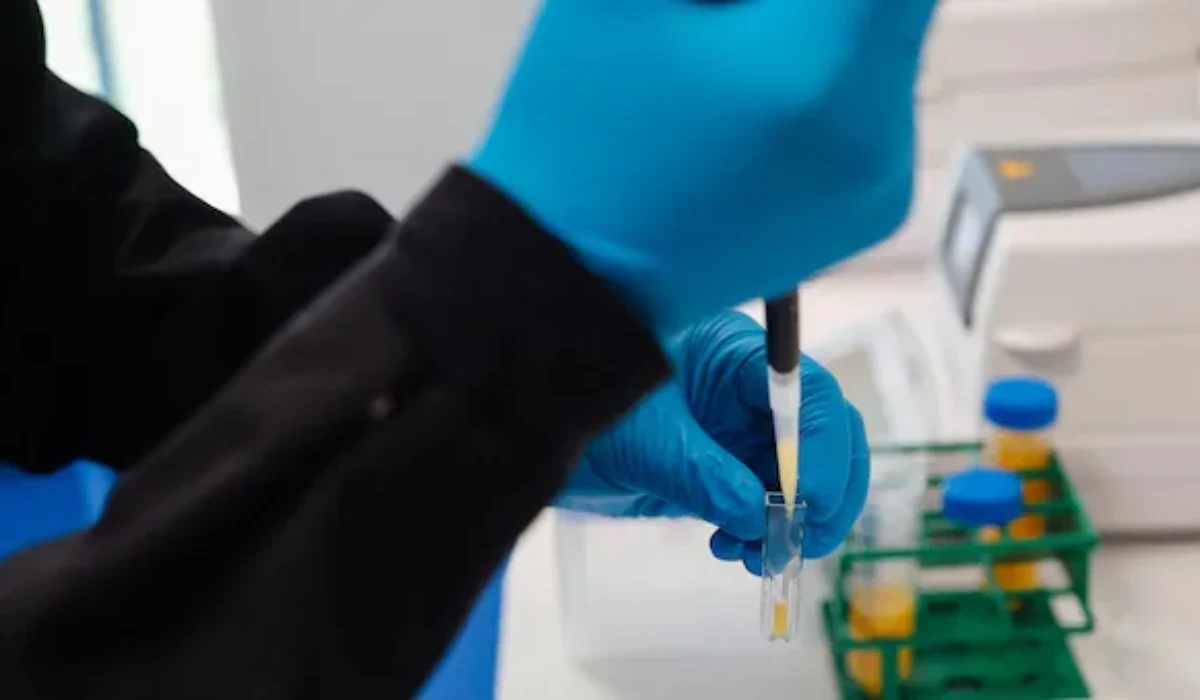
Stage IV breast cancer is commonly at the advanced stage. This stage is also called the metastatic stage. At this stage, cancer cells spread from the primary site to other parts of the body. It can spread to the bones, lungs, brain, or liver through the bloodstream or lymph nodes.
At this stage, instead of localized treatments, systemic drug therapies are administered. Systemic drug therapies target the entire body rather than a localized part. These include chemotherapy, immunotherapy, Hormone therapy, and targeted drugs. Localized treatments such as surgery, radiation, or localized chemo are treatment options.
Typically, stage 4 breast cancer is considered not curable; however, treatments for advanced breast cancer are a lifelong process that involves treatment to control the symptoms, slow the spread, and improve the quality of life.
Types of Breast Cancer
The treatment for breast cancer at stage 4 depends mainly on the subtypes, such as Hormone receptor-positive(HR+), HER2-positive, and Triple Negative (TNBC).
Hormone receptor-positive(HR+) – Breast cancer cells that contain receptors that attach to estrogen, progesterone, or both to grow. Progestrone and estrogen targeted treatments are carried out in these types of breast cancers.
HER2-positive – this type of cancer involves an increase in the amount of HER2 or human epidermal growth factor receptor 2 protein. This protein manages cell growth and division. This type of cancer is most likely to spread from the breast to other parts of the body. Targeted therapy and chemotherapy are the most common treatments for this type of cancer.
Triple Negative (TNBC) – this is an aggressive type of breast cancer characterised by the lack of estrogen and progestone receptors as well as HER2 proteins. There are fewer treatment options for TNBC. Immunotherapy is a common treatment option for TNBC.
Treatment for Advanced Breast Cancer
Hormone therapy
This treatment is commonly used for hormone receptor-positive cancers. These types of treatments are commonly used to slow the growth of cancer and reduce the chances of recurrence.
Hormone treatments are used to treat prostate, breast, and other types of cancers that use hormones to grow. Hormone therapy works by inhibiting the growth of natural hormones in the body that aid the growth of cancer. Hormone therapy has its side effects, such as causing early menopause and infertility in women, erectile dysfunction, and reduced libido in men.
Targeted drugs
Targeted drugs or therapy work by targeting proteins like HER2 that help the cancer cells to grow and spread. Antibody therapy is an example of this kind of treatment. There might be side effects to various other cells of the body, such as the hair follicles, skin, nail cells, etc. Some of the side effects include allergic reactions, high blood pressure, problems with blood clotting, and autoimmune reactions.
Immunotherapy
This works by having the body’s immune system fight cancer cells. Commonly used in people with triple-negative breast cancer. There are two FDA-approved immuotherapy drugs- Pembrolizumab and Dostarlimab.
There are various side effects to immunotherapy, such as autoimmune reactions. That is, the body’s healthy cells might be attacked by the immune system. Nausea, diarrhea, constipation, fever, appetite loss, respiratory issues like breathing difficulties, and allergic reactions are some of the side effects of immunotherapy.
Chemotherapy
Chemotherapy uses chemical substances for the treatment of cancer. This treatment is commonly used to slow down the growth of the tumor, prevent its spread, and improve the quality and length of life. Chemo is given in various cycles with a break between cycles for recovery. It is administered as IV or taken as pills. Chemotherapy has a lot of side effects associated with it, as healthy cells might be affected in the treatment process. Common side effects include fatigue, nausea, hair loss, infection risk, etc.
Treatment options like surgery and radiation are not very common in this phase, and these are usually done in the initial stages.
Palliative Care for Advanced Cancer Patients
Stage 4 cancer patients usually go into palliative care to improve the quality of their lives. In palliative care, the disease itself is not treated, but the patient is treated as a whole. The main focus here is to alleviate their pain, treat the side effects, and improve their quality of living. It mainly acts as a support system for the patient and their family.
Palliative care is done in a hospital, an outpatient clinic, or at home under the supervision of a medical professional. In palliative care, a team of doctors and nurses, along with a dietician and other professionals, work alongside the oncologists to treat the patient.
Conclusion
Stage 4 cancer or metastatic stage in breast cancer is generally considered an incurable stage as the cancer has spread to several vital organs, including the lungs, brain, and liver. Though the survival rate is low for this stage 4 cancer, newer technologies and advancements in treatments have helped to improve the quality and longevity of life.
For stage 4 breast cancer, the common treatments include systemic therapies, including immunotherapy, chemotherapy, hormonal therapy, and targeted therapy. These treatments are mainly aimed at halting the spread and improving the symptoms.
Frequently Asked Questions
Yes, the majority of people go into normal life after receiving treatment for breast cancer. After taking treatment for cancer, including chemotherapy and surgeries like Mastectomy, people may suffer from different side effects like weight loss, hair loss, etc. It may take some time to get back to normal, and people might find it difficult to adjust to a new life after cancer treatment. They may receive timely checkups and scans and take medications for some time. However, it is possible to lead a normal life after cancer treatment.
According to the American Cancer Society, at stage 4 breast cancer, the 5-year survival rate is 33%. Though the survival rates are low, with new treatment options, the survival rate has risen. Factors like age, sex, health, areas of spread, etc., determine the survival rate in a person.
There is no cure for advanced breast cancer, and the chances of a cure are very rare; there are treatment options for improving the quality of life, shrinking the tumor, reducing the spread, and improving longevity, which may have to be received for life-long.
In stage 3, the cancer has started to spread to nearby lymph nodes, and in stage 4, it has spread to other organs from the primary spot.
There is no strict timeline for the advancement of cancer. It depends on the type of cancer, the size of the tumor, and the patient’s health. While slow-growing cancers take years to grow, aggressive types grow faster, maybe in a few months.
References
- Treatment of Stage IV (Metastatic) Breast Cancer
https://www.cancer.org/cancer/types/breast-cancer/treatment/treatment-of-breast-cancer-by-stage/treatment-of-stage-iv-advanced-breast-cancer.html - Treatment for Advanced Breast Cancer
https://www.mskcc.org/cancer-care/patient-education/treatment-advanced-breast#