When it comes to getting a Pap smear, most people are afraid of whether it will hurt. The fear of a Pap smear being painful holds back many from getting it done. It is normal to have these concerns when it comes to tests involving the body.
What Is a Pap Smear?
The Pap smear is named after Dr. Georgios Papanikolaou, who developed it. A Pap smear is basically a quick checkup for your cervix to spot any abnormal cells, precancer, or signs of inflammation and infection before they can turn into anything serious.
It involves collecting cells from the cervix to identify any abnormalities in it. Any abnormalities, if identified earlier, can be treated to avoid the potential risk of developing into cervical cancer.
How is a Pap Smear Done?
Understanding the procedure of a Pap smear can make it look less complicated and help relax the mind and body. It is done by a healthcare provider in a professional setting.
- You will be asked to undress waist down in a private room and then lie on the table with knees bent and feet placed on the stirrups or footrest.
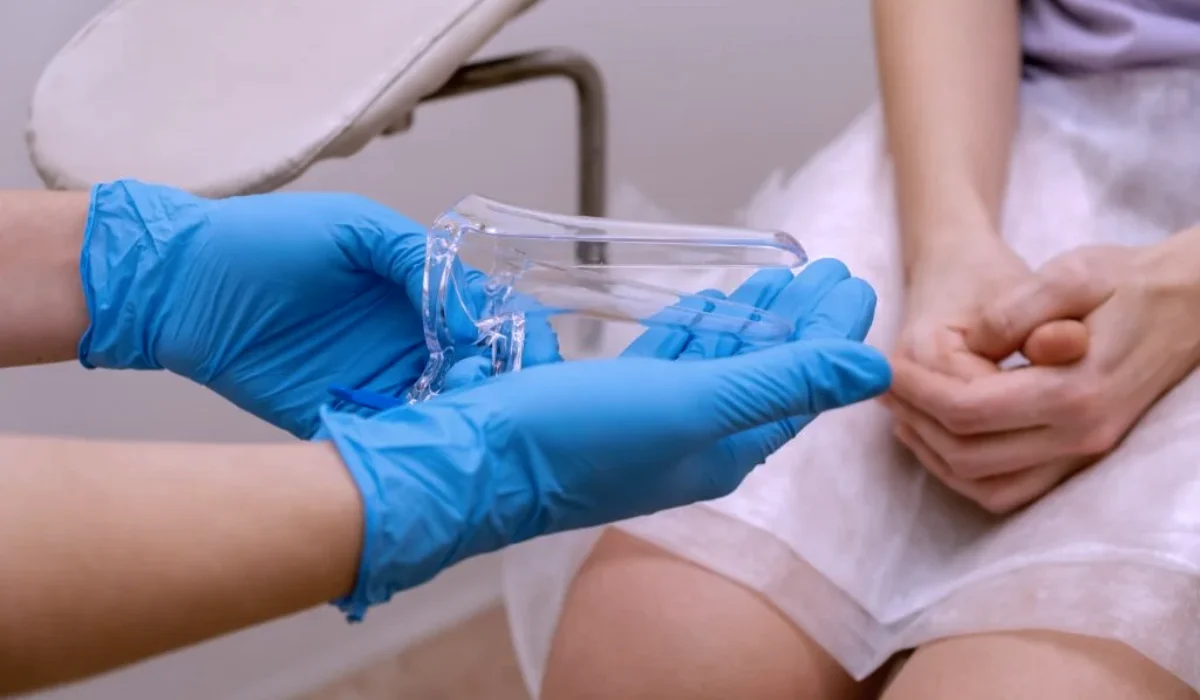
- Then, a speculum( a tool) is inserted into the vagina to open the vaginal walls to clearly see the cervix. At this point, you might feel a bit of discomfort or mild pressure; however, if you feel severe pain, kindly inform your doctor.
- The next step is the collection of the cells using a soft brush and a spatula. Then the speculum is removed.
The whole process takes about 1 to 3 minutes. Mild cramp during the process or mild spotting after the process is normal.
Does a Pap Smear Hurt?
A Pap smear is not generally a painful screening test; however, some women do feel pain or mild discomfort while getting a Pap smear, as the feeling of pain is subjective and each person perceives pain differently.
The pressure caused by the procedure may be mistaken for pain. When the speculum is inserted and opens the vaginal walls, the feeling of stretching creates a mild pressure, which is normal; however, if you feel severe pain, you should speak to your doctor, who might be careful or add lubricant.
Factors Affecting Pain During a Pap Smear
Pain is experienced not essentially because of the procedure itself, but simply because of the fear and anxiety of the individual. Here are some of the reasons why people feel pain during the procedure.
- Fear of pain
One of the primary reasons for feeling pain is the fear of pain, which causes and worsens it. Fear makes our nervous system alert and causes muscle tension, and increases stress. This causes discomfort in the body and creates a sensation of pain. When the speculum goes in, it’s totally normal to feel a bit anxious or uncomfortable, and that tension can actually make it feel painful.
- Hormonal changes
Vaginal dryness can be caused by hormonal changes. This can also be caused by childbirth or due to some medications. This causes discomfort and pain during the procedure. In such cases, you might want to ask your health care provider to use a lubricant.
- Medical complications
A person with issues such as vaginismus might feel pain when the speculum is inserted into the vagina. Their muscles tighten during penetration, causing the penetration to be painful. Similarly, conditions like Endometriosis or Pelvic Inflammatory Disease (PID) cause sensitivity in the pelvis, making the Pap smear painful.
- Infections
Any kind of infection in the vagina or cervix can irritate the area. STIs, or Yeast infections, can cause discomfort or pain. You might also experience mild bleeding after taking the test.
- Trauma
For anyone who has experienced sexual assault, a pelvic exam can trigger past trauma and feel incredibly overwhelming.
To get a pap smear done without any pain, most importantly, take deep breaths and relax your muscles. When you tighten your muscles, it can cause stress and create a sensation of pain.
Conclusion
So does a Pap smear hurt? It does not hurt, and the perception of pain is different for each individual. Some might feel a slight discomfort, while others don’t. The test is not painful; however, it may cause some discomfort. The pain or discomfort is primarily from inserting the speculum into the vagina.
Many refuse to get a Pap smear done because of the misconception that the test is painful. But early detection of abnormalities in cells, if any, can help prevent them from turning into cervical cancer. Bearing with a slight discomfort can help you avoid serious consequences.
Frequently Asked Questions
Pap smears are not harmful; instead, they are screening tests that are life-saving and very safe.
A Pap smear is to be done if you want to detect the presence of precancerous cells in the cervix. Early detection will help to treat them before it turns into cancer.
Women can stop getting Pap smears at the age of 65, if they have a history of normal screening tests in the past years.
The pressure caused by the speculum when it holds the vaginal wall open can create a slight discomfort, but it wouldn’t be painful.
References
- Does A Pap Smear Hurt?
https://thewell.northwell.edu/womens-health/does-a-pap-smear-hurt - Pap and HPV tests
https://womenshealth.gov/a-z-topics/pap-hpv-tests - Pap test
https://medlineplus.gov/ency/article/003911.htm