
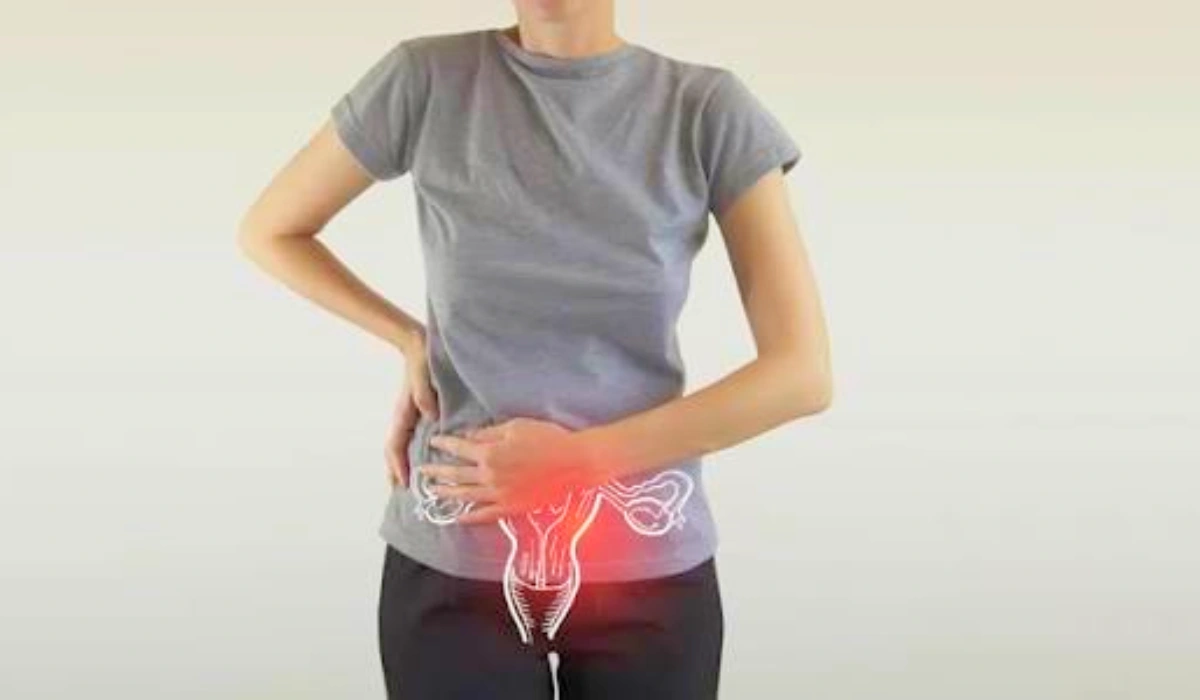
If you are detected with precancerous cervical cells, your doctor might recommend that you undergo a procedure called Loop Electrosurgical Excision Procedure (LEEP). But many patients who went through LEEP or were suggested to do it might wonder what the chances of a return of cervical cancer after LEEP are.
LEEP is a highly effective method of treating precancerous cervical cells (cervical dysplasia) and preventing the development of cervical cancer. This minimally invasive outpatient treatment removes the abnormal precancerous cells from the cervix, preventing them from developing into cancer.
The chances of developing cervical cancer after a LEEP are quite low. However, since it only removes the abnormal cells, the underlying HPV virus that causes the cancer will not be eliminated. In this article, you will gain an in-depth understanding of the effectiveness of the LEEP in removing abnormal cervical cells, the risk of recurrence, and the importance of follow-ups.
What is a LEEP?
LEEP is performed to gently remove the abnormal cells from your cervix using a thin, electrically heated wire loop. The tissue that is removed from your cervix will later be examined in a laboratory to make an accurate diagnosis. Through this, the doctor can verify that all your abnormal cells have been cleared.
The procedure normally takes only around 10 to 20 minutes and is a very simple and often less overwhelming procedure than most patients would imagine. It is typically recommended when you have been diagnosed with moderate to severe abnormal cell changes in your cervix (cervical dysplasia), which can be found during a Pap smear or colposcopy.
Cervical dysplasia is not cervical cancer, but the precancerous abnormalities found in cervical cells due to the infection of a high-risk HPV strain. If left unmonitored or untreated, these cells can later develop into cervical cancer. Early intervention is found to be highly beneficial in the prevention of cervical cancer in most cases.
Chances of Recurrence: How Effective is LEEP in Removing Precancerous Cervical Cells?
LEEP is an established treatment for moderate to severe stages of cervical dysplasia (CIN 2 and CIN 3). It is found effective even for low-grade changes. The success rate of LEEP is highly promising.
The clinical studies show that LEEP completely removes Cervical Intraepithelial Neoplasia (CIN), with a cure rate that typically falls between 73% and 99%. Research also shows that recurrence rates are significantly low.
In most cases, individuals who underwent a LEEP do not experience recurrences. Some studies show that only around 3.2% to 4% of the patients with cervical dysplacia experienced a recurrence of precancerous cells that required further treatments 1 to 5 years after their first LEEP. In other studies, around 5% to 10% of women after LEEP experienced a recurrence within the first two years after LEEP.
Apart from LEEP, there are other methods too to remove the precancerous cells, including ablation and conization. Unlike ablative methods (such as cryotherapy) that destroy abnormal cells, the LEEP keeps the tissues intact and allows the sample to be sent to the laboratory for further examination.
Risk of Recurrence: The Factors that May Affect
Several factors can affect recovery and the recurrence of precancerous cervical cells even after LEEP. They include:
Severity of Cervical Dysplasia: High-grade precancerous lesions generally respond faster to LEEP or a cone biopsy. But abnormal cells that have spread across a larger section of the cervix will be harder to remove compared to those spread in a smaller area, which can be removed easily and completely.
HPV Persistence: Although highly effective at removing abnormal cells from the cervix, LEEP does not eliminate the underlying human papillomavirus (HPV) infection that causes the abnormal changes in the cervical cells. Recurrence can occur when the HPV infection persists in your body.
Immune System: Your immune system plays a great role in the recovery of cervical dysplasia. A healthy body with a strong immune system can fight back the underlying HPV infection, which is the primary reason for recurrences, facilitating complete healing.
Smoking: The habit of smoking tobacco or any other drug has a direct impact on your healing. It can weaken your immune system’s ability to eliminate the HPV infection from your body. Women who smoke tend to have a lower success rate and experience recurrences.
Conclusion
The occurrence of cervical cancer is primarily linked to the presence of a high-risk HPV strain infection in your cervix, which can cause abnormalities in the cervical cells called cervical dysplasia that later develops into cervical cancer.
Although LEEPS can successfully remove precancerous cells from the cervix, recurrence can still occur due to several reasons. This is why regular follow-ups after the procedure are highly significant. Following your doctor’s advice to have a healthy lifestyle that boosts your immunity and lets your body heal properly is also important.
FAQ
A full LEEP recovery takes around 4 to 6 weeks. The first 48 hours need complete rest, and heavy exercise must be avoided for up to 3 weeks. Your cervix needs time to heal. Hence, avoid inserting anything into the vagina during this healing period.
Yes. Although LEEP removes the precancerous cervical cells, it doesn’t remove the underlying HPV virus. Since the infection that causes cervical cancer is not fully eliminated from the body, it may either lie dormant in your body or cause recurrence.
You might experience light bleeding, spotting, or dark brown/black discharge for 1 to 3 weeks after a LEEP, and also slightly heavier bleeding around day 10 to 14 as the healing scab sheds. These discharges are due to medications and are quite normal.
Typically, an individual needs only one LEEP procedure to remove the precancerous cervical cells. But if the abnormal cells return, the doctor might recommend a second LEEP. Although no legal limit, doctors generally avoid more than 2 to 3 procedures.
Reference Links:
https://pmc.ncbi.nlm.nih.gov/articles/PMC8707668
https://www.medicalnewstoday.com/articles/chances-of-cervical-cancer-after-leep