
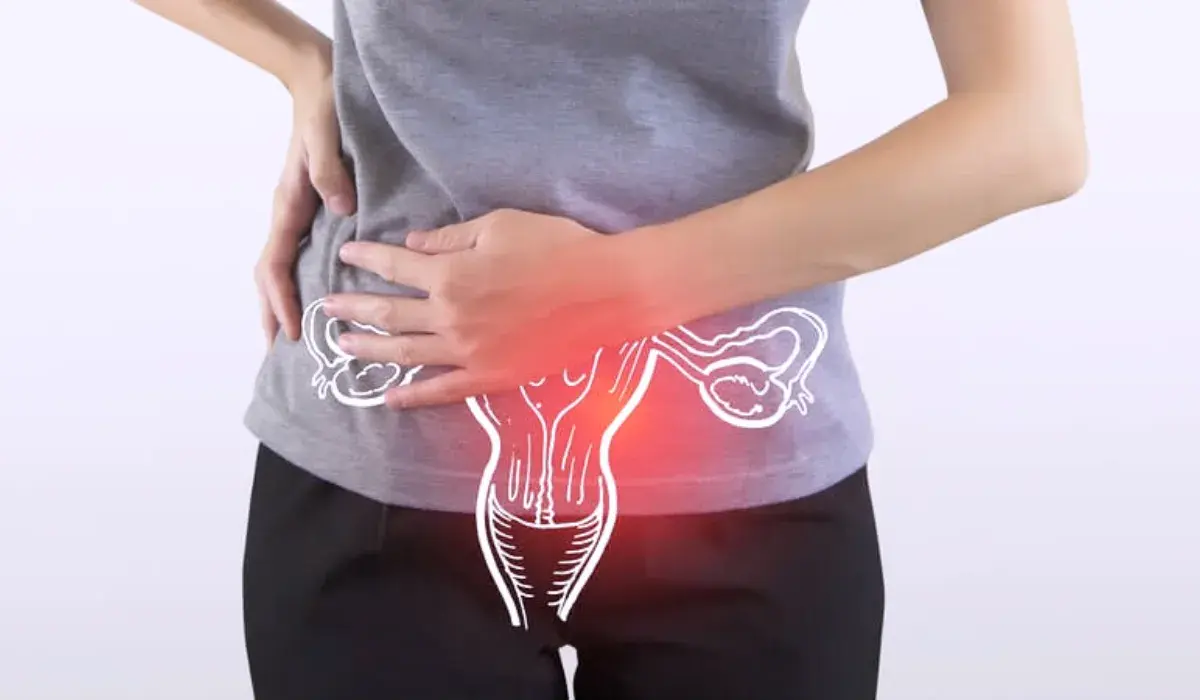
Cramping after a Pap smear is a common symptom, which is due to the irritation caused by the instrument used for cell collection from the cervical surface. This can also cause minor bleeding that can last for a few hours to a couple of days.
A Pap smear is an important part of a woman’s routine health checkup to prevent cervical cancer. Getting a Pap smear regularly can sometimes be crucial in detecting cervical cancer early and preventing further development. But a significant number of women ignore or delay their routine preventive exams and Pap smear, mainly due to a lack of awareness, the fear of the procedure, or anxiety about risks.
Many women avoid Pap smear thinking that the bleeding and cramping after Pap smear is a negative consequence of the procedure. In this article, let’s have a closer look at the cramping after a Pap smear, its cause, whether it is normal or not, and when one should seek medical help.
What Causes Abdominal Cramping After a Pap Smear?
The cramping after a Pap smear is caused by cervical stimulation that can happen during the cell scraping process.
During the Pap smear, the doctor will first insert a spatula through your vagina to expand the vaginal canal for a closer and clearer view of your cervix. After this, your cervical surface will be gently scraped with a long swab or brush to collect a few cells and fluid.
Your cervical area is very sensitive due to hormonal fluctuations and the rich network of blood vessels beneath its surface. When the cell-collecting instrument interacts with this delicate surface, it might sometimes irritate the tissues there and cause bleeding and cramps.
What Can You Do to Reduce the Cramps and Discomfort
You can start these preventive measures before appearing for a Pap smear. Since hormonal fluctuations are a significant factor that leads to cramping and bleeding, make sure you schedule your Pap test mid-cycle, so that your cervix will be relaxed.
Do not have vaginal sex for two days before the test. Also don’t use tampons, vaginal creams, lubricants, douches, birth control foams, or jellies at least two days before the Pap smear, since these external bodies might cause sensitivity in the cervical surface.
During the Pap test, make sure your pelvic muscles are relaxed. Take deep breaths, drink water, and keep your mind calm. If you feel any discomfort, pain, or irritation, immediately communicate to your doctor, so that they can adjust the angle or size of the speculum for better comfort. Ensure less friction by using a water-based lubricant on the speculum. To relax your pelvic area and improve muscle control, do the pelvic floor exercises before the test.
After the Pap smear test, if you experience abdominal cramps, then home remedies and over-the-counter treatments are effective to reduce the discomfort.
- You may use nonsteroidal anti-inflammatory drugs (NSAIDs) such as ibuprofen within the first hour of symptoms.
- Use a warm heating pad against your lower abdomen to reduce the muscle cramps. Using it for 15-20 minutes will soothe your pain.
- After the Pap test, rest in a comfortable position. Bend your knees to reduce the pressure on the pelvic muscles.
Cramping After Pap Smear: Normal vs Abnormal
The post-Pap smear cramping and spotting usually lasts for a few hours to a couple of days only. The pain will be mild and similar to your period cramps. But if you are experiencing the following symptoms, you should visit your healthcare provider immediately and seek medical attention.
- If your abdominal cramps last longer than 48 hours.
- If you are experiencing heavy and unrelenting cramps.
- If the intense abdominal pain radiates to your back and thighs.
- If the pain is escalating rather than reducing.
- If the cramps are followed by heavy bleeding or fever.
- If you observe dark or clotted blood or foul-smelling discharge along with cramps.
These symptoms can be a signal of any underlying medical conditions, diseases, or even cervical cancer. If any combination of these appears after your Pap smear, you must immediately seek medical help.
Conclusion
Being an important preventive healthcare test, the Pap smear is highly effective in the early detection of cervical cancer, HPV, and many other abnormal conditions that can affect the reproductive health of a woman.
Although post-Pap smear cramps are normal along with light bleeding, it is better to notice the symptoms for any anomalies. If your cramps or bleeding don’t seem to be normal or if you notice the above-mentioned symptoms, then it is important to seek immediate medical help.
Bringing early medical attention can crucially help in taking adequate measures regarding overlooked infections, cervical trauma, or any other unrecognized medical conditions. Always observe the symptoms after a Pap smear, since it will help ensure that the routine examination remains safe and effective.
Frequently Asked Questions
The cramps that can happen after a Pap smear are usually similar to mild period cramps, and they can last from a few hours to one day.
You may use normal over-the-counter pain relievers and a heat pad. Taking rest can ease the discomfort during this time.
If you have severe cramps, heavy bleeding, fever, or if the pain lasts longer than 48 hours, you must visit your healthcare provider for medical advice.
No, the test doesn’t cause any long-term discomfort. The irritation in the cervical area caused by a Pap smear is usually very mild. The cramps or bleeding associated with it will only last for a maximum of two days.
References
- Why Am I Bleeding After My Pap Smear and How Long Will It Last?
https://www.healthline.com/health/womens-health/bleeding-after-pap-smear - NSAIDs
https://www.hss.edu/health-library/conditions-and-treatments/list/nsaids - Pap and HPV tests
https://womenshealth.gov/a-z-topics/pap-hpv-tests