
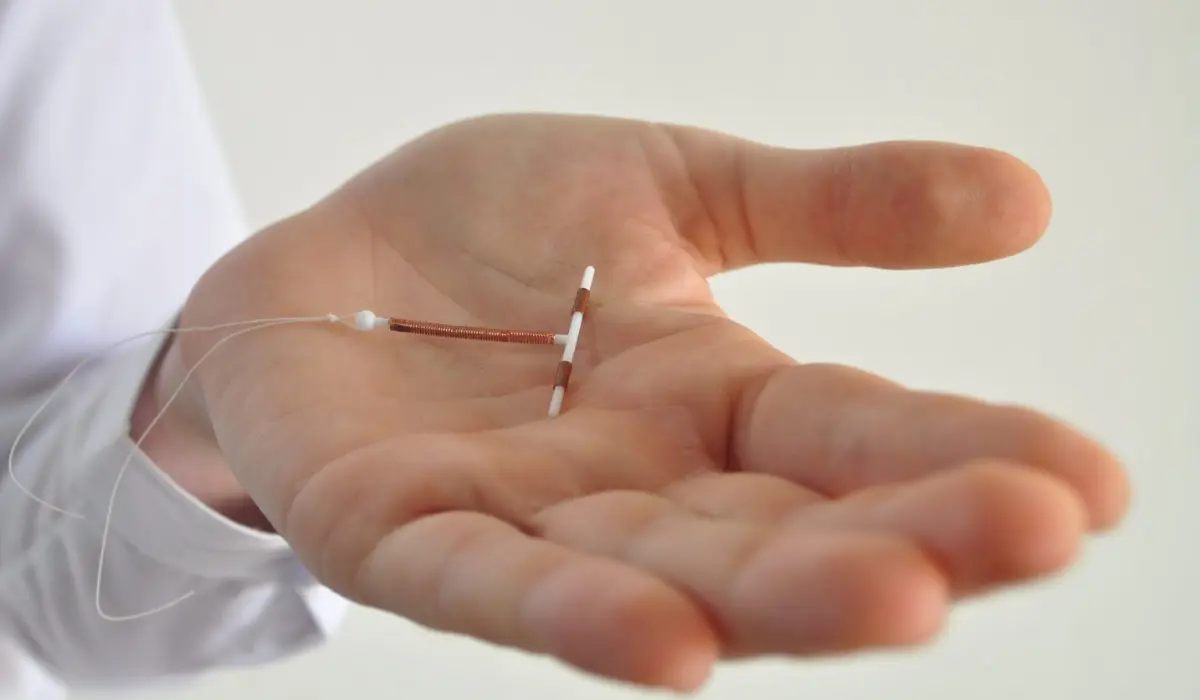
You have decided to get an IUD, one of the most effective, long-acting, and reversible forms of contraception, used across the world. But wondering how to get an IUD, what the procedure will be, how to prepare for it, or how to manage it.
An IUD is over 99% effective in preventing unwanted pregnancies, and the procedure for its insertion or removal is very simple. It only takes a few minutes at a clinic with a professional healthcare provider.
What is the Procedure for an IUD Insertion
Getting an IUD begins with a consultation with your healthcare provider. Communicating with your doctor will give you clarity on which IUD you should opt for and what the pros and cons of using an IUD are. It will enhance your awareness and relax your mind for the upcoming procedure of an IUD insertion.
The actual procedure of inserting an IUD only takes a few minutes. To insert the IUD, you will need to lie on your back with knees bent. The healthcare provider will insert a speculum into your vagina, which widens the vaginal walls for a closer view of the cervix for the doctor and to clean it with antiseptic. After that, a thin tool called a ‘uterine sound’ will be used to measure the depth and direction of the uterus.
The IUD, which will be loaded into a narrow applicator tube, will be gently inserted through the vagina and cervix and will be released into the uterus at the right position, where its arms will open. The applicator tube will be removed. The IUD will have two strings attached. It will be trimmed so that it will extend to the vagina about 2-3 cm.
After the IUD Insertion: Managing Discomfort and Detecting Risks
Compared to the removal of an IUD, the process of inserting one can be a little painful or discomforting for people. But many people are completely fine during the procedure. But if you are a person with high sensitivity or a lower pain threshold, you might feel mild cramping, similar to a period, or back pain, light spotting, etc after the insertion.
This pain and discomfort can last from a few days to a few weeks. You can use this time to relax and rest at home. If the cramping is heavy, you may take over-the-counter medicine for relief. Heating pads might also help during this time.
Depending on the brand and type, the intensity of your pain and bleeding can vary. With a copper IUD, you might experience heavier flow and cramps, while hormonal IUDs make them lighter. Irregular bleeding or spotting and cramping during the first 3 to 6 months after the insertion of an IUD is perfectly normal and safe. If you are using a hormonal IUD, it might reduce period symptoms significantly and sometimes even make the period disappear (amenorrhea).
You might be able to feel the strings in your vaginal tract. Do not pull them out, since it might cause the IUD to slip out. But do check in every few months to see if the string lengths are the same. Any significant change in the length or if you are feeling the plastic body of the IUD, it signals a displacement or expulsion of the device.
Consult your doctor if you are experiencing the following:
- Abnormally heavy bleeding and severe cramping for consecutive hours – if the cramps are not reducing, if they are worsening, bleeding lasts longer than usual, and medicines are not effective.
- If you experience fever, chills, or other symptoms of infection.
- If you experience pain or discomfort during intercourse.
- If you feel like the IUD is slipping out.
- If you experience pregnancy-like symptoms.
Although you can have sex as soon as inserting an IUD, you might need to strictly follow other methods of contraception until the IUD takes effect. This can be from 3 days to more than one week.
How to Prepare for an IUD Insertion?
To prepare for the IUD insertion or removal, you need to first consult your doctor to have a detailed analysis and expert opinion. After consulting with your doctor, you can schedule the procedure for an appropriate time. Your doctor will provide you with details of the procedure, what happens during and after the insertion, what things you need to take care of, etc.
Before the procedure, the doctor or nurse will conduct a pelvic examination, in which your vagina, cervix, and uterus will be examined. They will also check if you have any STDs or other infections, or if you are pregnant. Your age, medical history, etc will also be taken into account.
Abstain from sex or strictly use other contraception before appearing for the procedure, since pregnancy with an IUD is highly complicated. If you are highly sensitive, you will be given medicine to help with pain or discomfort during the procedure. Even if not, you can take over-the-counter medicines for pain relief.
Make sure to eat a light snack or meal before the procedure to prevent dizziness or lightheadedness during and after the procedure. Stay hydrated and practice breathing techniques or meditation to avoid feeling anxious or panicking. Wear comfortable clothing and bring a sanitary napkin to manage any bleeding after the procedure.
Conclusion
IUD is a highly effective, long-acting, and reversible method of contraception to prevent unwanted pregnancies. However, without proper awareness, many people panic about the procedure of inserting and removing an IUD, its side effects, consequences, reversal of fertility, etc.
Both copper and hormonal IUDs are over 99% effective in preventing pregnancies, although they don’t prevent STIs. Fertility returns as soon as the IUDs are removed. Depending on the brand and type, the expiration date of an IUD varies. The hormonal IUDs last for up to 3 to 8 months, while a copper IUD can last for up to 10 to 12 years. Timely replacement of IUDs is necessary, since expired IUDs can invite complications.
FAQs
How should I prepare for an IUD insertion?
Before inserting an IUD, strictly maintain your current contraceptive method and ensure that you are not pregnant. Stay hydrated and eat a light snack before the appointment. You may take an over-the-counter medicine beforehand for pain relief.
What is the difference between a copper IUD and a hormonal IUD?
A copper IUD is hormone-free, wrapped in copper wire. It uses its copper ions to create a sterile environment in the uterus, preventing fertilization. Meanwhile, a hormonal IUD uses progestin to make a hostile reproductive environment for sperm.
Do I need to follow up after the insertion of an IUD?
Doctors do not strictly recommend a routine visit to your gynecologist after the insertion of an IUD. However, it will be better to visit your doctor if you experience any concerning symptoms or if you have any confusion regarding your IUD.
What is abnormal after the insertion of an IUD?
After the insertion of an IUD, if you experience severe cramping and unusually heavy bleeding for long consecutive hours, fever, chills, or symptoms that are similar to an infection, pain or discomfort during intercourse, etc, consult your doctor immediately.
Reference Links: