
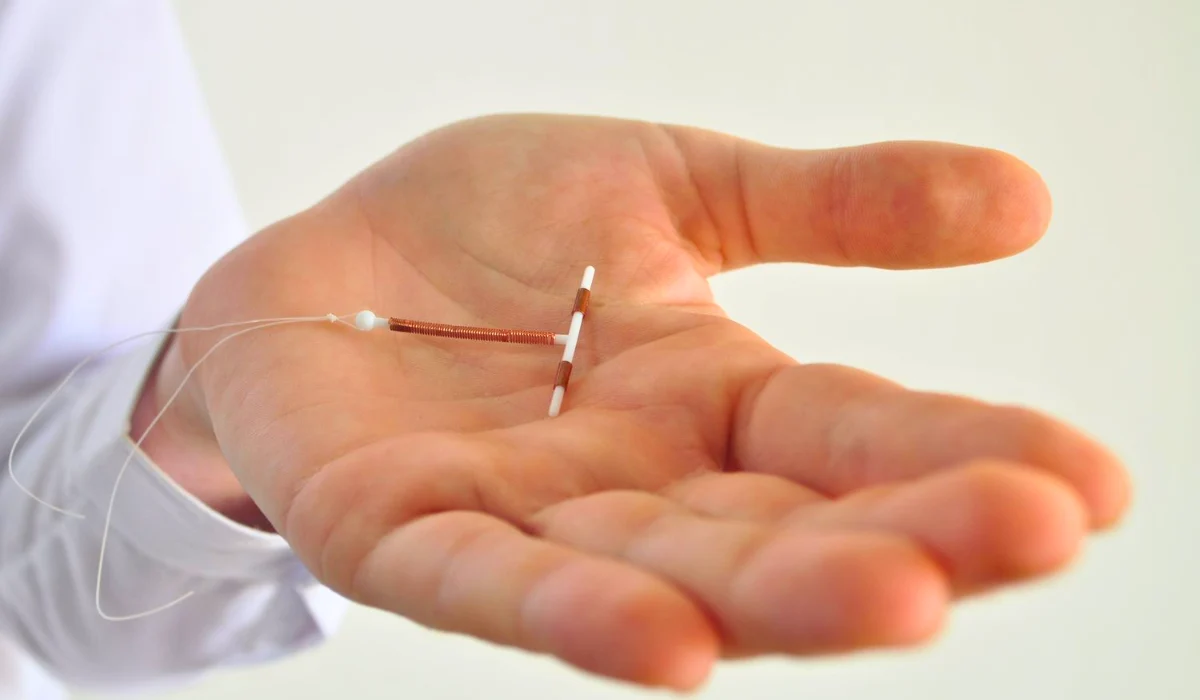
When doctors suggest an IUD as a contraceptive, many people are worried about the process of insertion and removal of IUDs. Many of you might have wondered whether IUD removal is painful, how long the procedure takes, or when exactly it must be removed or replaced.
IUD is one of the most popular and reliable methods of contraception used across the world. This is one of the most effective methods to prevent unwanted pregnancies. They offer over 99% effectiveness in preventing unwanted pregnancies. An IUD can function for up to 3 to 12 years, depending on the type and brand of the device.
In this article, let’s take a closer look at the procedure for removing IUDs. Here, you will also learn when an IUD can be removed from your uterus, how long the procedure takes, how you must prepare for the removal of an IUD, and about the aftercare of IUD removal.
The Removal of an IUD
An intrauterine device (IUD) is a small, T-shaped device that can be inserted into the uterus to prevent the fertilization of egg and sperm. An IUD is a long-acting and reversible contraceptive method, which is ideal for avoiding up to 99% of unwanted pregnancies.
An IUD can be removed at any time in a clinic with a simple procedure for any reason. It will only take a few minutes at your healthcare provider’s clinic. The IUD shouldn’t be self-removed for any reason, as there are several risk factors. To ensure a safe removal of an IUD, it must be done by a healthcare provider.
During the procedure, your doctor will ask you to lie down on your back with knees bent. Your doctor will gently insert a speculum into your vagina, which will be opened inside the vagina to widen the vaginal walls. This will give your physician a clear view of your cervix. After the primary visual examination, the doctor will insert gloved fingers into your vagina to feel the strings that are attached to your device.
After that, your doctor will gently grab the strings using forceps and slowly pull the device out. As the device slides down through your cervix, the arms of the T-shaped device will automatically fold up, making it easy to pull down.
When Should You Remove Your IUD?
Several reasons can lead to the removal of an IUD. Here are a few reasons that will require you to remove your IUD.
Expiration: An IUD must be removed as soon as it expires. Retained IUDs after its expiration can cause severe consequences, such as pelvic infection, severe cramping, abnormal bleeding, pelvic pain, etc. Sometimes, the IUD can even get displaced or become embedded in the uterine wall.
Depending on the type of IUD and brand, the expiration date of an IUD can change. For hormonal IUDs, the lifespan is up to 3 to 8 years. Whereas for copper IUDs, the lifespan is 10 to 12 years. Always track the expiration date of the IUD you are using to ensure its timely removal.
Family Planning: If you are planning to get pregnant, you can get your IUD removed at any time. But make sure you do it in a clinic. Your fertility returns as soon as the IUD is removed.
Medical Complications: If you experience severe cramping, heavy and abnormal bleeding, pelvic pain, uterine perforation, or if you are diagnosed with pelvic inflammatory disease (PID), your IUD will need to be removed. If you experience a new allergy to an ingredient in the IUD, or are diagnosed with a new disease, such as cancer, liver disease, heart disease, or lupus, your IUD is required to be removed immediately.
IUD Displacement: If your IUD shifts and moves out of place, it will reduce its efficiency. This will increase the chance of getting pregnant with an IUD, which can lead to more complications. If you suspect that your IUD is displaced through self-examination, consult your gynecologist immediately.
Pregnancy: Getting pregnant with an IUD is very rare. However, it can occur if your IUD fails. In such cases, immediate medical attention should be provided, and the IUD must be removed.
After the Removal of an IUD
Compared to the insertion of an IUD, the removal is faster and less painful. However, based on your body type and the threshold of your pain tolerance, the removal of an IUD can be uncomfortable for some. Here’s what you might experience after the removal of an IUD (this can vary from person to person).
- Mild abdominal cramps, discomfort, or light bleeding for a short period. If the cramping and bleeding persist for a longer period after the removal of the IUD, you must consult your gynecologist for expert advice.
- Your menstruation will go back to how it was before the insertion of an IUD. Since IUDs normally reduce the cramping and pelvic pain during menstruation, removal can cause them to go back to the same intensity.
- Your fertility returns. You may get pregnant through unprotected sex as soon as the removal of your IUD.
Many people with hormonal IUDs have also experienced mood swings, weight gain, anxiety, fatigue, and headaches after the removal of the IUD. This wide range of symptoms are normally associated with levonorgestrel-releasing IUDs. Although it is often referred to as ‘Mirena crash’, apparently all brands of hormonal IUDs are reported to have caused these symptoms.
How to Prepare for the Removal of an IUD?
There are a few things you must do as preparation before and during the removal of your IUD. They include:
- Avoid sex for at least 7 days before you arrive at the clinic for your IUD removal. This is to make sure that you are not pregnant.
- Take a dose of over-the-counter pain reliever about 2 hours before the procedure, if your pain threshold is low. This will help with the possible cramping.
- Eat a light snack and drink plenty of water to stay hydrated. This will prevent you from going lightheaded during the procedure.
- Have clear communication with your physician regarding the procedure. This will help you avoid anxiety during the procedure.
- Practice slow, deep breathing techniques to relax your pelvic muscles. This will prevent pain and discomfort during the procedure.
Conclusion
IUD is a highly effective contraceptive method, which is very common among people who don’t plan to conceive for a long time. The efficiency of IUDs is over 99%. But many people are either unaware of such a solution or are afraid of its procedure.
The removal of an IUD is much less painful than its insertion. It will only take a few minutes, and it doesn’t normally cause much discomfort compared to insertion. Having good communication with your gynecologist about the procedure, side effects, its pros and cons, and preparation will help you choose it without any anxiety or insecurities.
FAQ
Compared to the insertion of an IUD, the removal of the device is described as less painful. The removal can cause slight cramping for a brief period. Taking pain medications before the procedure can be helpful if your pain tolerance is low.
The procedure of removing the IUD only takes a few minutes. However, you should consider an overall 20 minutes for the entire procedure, including the initial cervical examination, locating the strings, and the potential delays during the procedure.
Trying to self-remove the IUD involves severe risk factors, including IUD breakage, heavy bleeding, injury and infection, and the IUD getting stuck or embedded in your uterine wall. For the safe removal of an IUD, a trained health professional is required.
Retention of the IUD in the uterus after expiration can significantly increase the risk of pregnancy. Expired IUDs can also cause pelvic infection, abnormal uterine bleeding, cramping, or it might get embedded in the uterine wall, making it difficult to remove.
Reference Links: