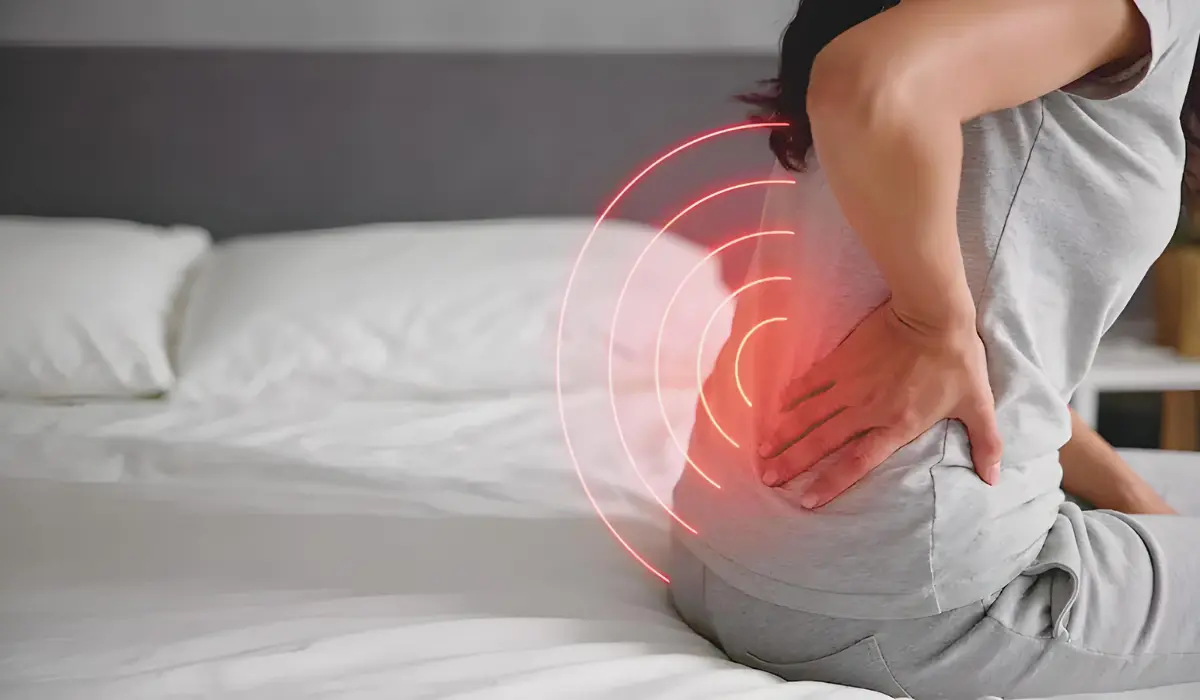
Lower back pain after hysterectomy can feel worrying, especially when the surgery involved the pelvis rather than the spine. Mild aching is often connected to temporary changes in movement, posture, abdominal support, constipation, or general surgical soreness.
The discomfort should gradually improve as the body heals and normal activity returns. Severe, worsening, or persistent pain deserves medical attention, particularly when it appears with fever, urinary problems, heavy bleeding, or unusual discharge.
Is Lower Back Pain Normal After a Hysterectomy?
Some pain and soreness are expected during the first few days after a hysterectomy. Although discomfort is usually strongest around the abdomen or pelvis, it may also be felt across the lower back.
Recovery time depends on the surgical method. Full recovery after an abdominal hysterectomy may take six to eight weeks, while vaginal and laparoscopic procedures often have shorter recovery periods.
Mild backache that slowly improves is usually less concerning than pain that suddenly becomes intense or continues beyond the expected recovery period.
Possible Causes of Back Pain After Surgery
Changes in Posture and Movement
People often walk carefully, bend forward, or spend more time sitting and lying down after surgery. This guarded posture may place extra strain on the muscles around the lower spine.
Gentle movement is encouraged after hysterectomy because it supports circulation, lowers blood clot risk, and may reduce overall pain. However, activity should increase gradually rather than all at once.
Reduced Abdominal Muscle Support
The abdominal muscles help support the spine and maintain posture. After abdominal or laparoscopic surgery, soreness may make these muscles less active for a short time.
When the abdomen is not providing its usual support, the back muscles may work harder during standing, walking, and getting out of bed. Postoperative physiotherapy guidance notes that abdominal muscles support both the back and posture.
Constipation and Bloating
Constipation is common after hysterectomy. Anaesthesia, pain medicines, reduced movement, and changes in eating can all slow bowel activity.
A full or bloated abdomen can create pressure through the pelvis and lower back. Contact the surgical team if constipation comes with severe pain, vomiting, abdominal swelling, or an inability to pass gas.
Surgical Positioning and Muscle Soreness
A hysterectomy may require the body to remain in one position for an extended period. Muscles and joints can feel stiff afterward, particularly when a person already has arthritis, sciatica, or recurring lower back pain.
This type of discomfort often feels like an ache or tightness rather than sharp internal pain. It should become easier as mobility improves.
Pelvic Floor Muscle Tension
The pelvic floor works closely with the abdominal, hip, and back muscles. Pain, fear of movement, and protective muscle tightening after surgery may create tension across this area.
Pelvic floor physical therapy can help address muscular and myofascial causes of ongoing pelvic pain. It should begin only after a clinician confirms that healing has progressed enough for treatment.
A Pre-Existing Back Condition
A hysterectomy does not protect against unrelated causes of back pain. A slipped disc, sciatica, arthritis, muscle strain, or sacroiliac joint problem may become more noticeable during recovery.
Tell the clinician whether the pain travels into the buttock or leg, causes numbness, or existed before surgery. These details can help separate ordinary surgical discomfort from a spine or nerve problem.
How Long Can the Pain Last?
Mild back soreness may occur during the first days or weeks of recovery. It should generally become less frequent and less intense as walking, posture, bowel function, and abdominal strength improve.
As the body continues to heal from a hysterectomy, mild lower back soreness should gradually ease. Pain that worsens or continues beyond the expected recovery period should be checked by a healthcare professional.
Persistent pain can occur after hysterectomy, especially in people who had significant pain before surgery. Research estimates vary widely, so ongoing pain should be assessed individually rather than assumed to be a normal outcome.
During laparoscopic hysterectomy recovery, temporary lower back pain may result from surgical positioning, reduced movement, abdominal muscle soreness, or bloating. It should gradually improve as mobility and strength return.
Safe Ways to Ease Lower Back Discomfort
Take prescribed pain medicine exactly as directed. Ask the surgeon before using additional anti-inflammatory medicines, supplements, or topical pain products.
Take several short walks throughout the day instead of completing one long walk. Avoid heavy lifting, forceful stretching, and demanding household work until the surgeon approves them.
Support the lower back while sitting and place a pillow beneath the knees when lying on the back. When side sleeping, a pillow between the knees may reduce twisting through the hips and spine.
Prevent constipation by drinking fluids, eating fibre-rich foods, and using a stool softener when recommended. Avoid straining during bowel movements.
Heat may soothe tight back muscles, but it should not be placed directly over a fresh incision. Confirm with the surgical team that heat is safe before using it during early recovery.
When to Contact a Healthcare Professional?
Contact the surgical team if back pain is severe, worsening, or not controlled by prescribed medicine. Medical advice is also needed when pain appears with:
- Fever above 100.5°F or 38°C
- Heavy vaginal bleeding or foul-smelling discharge
- Redness, warmth, swelling, or drainage around an incision
- Burning, pain, or difficulty during urination
- Inability to pass gas or have a bowel movement
- Persistent nausea or vomiting
- New leg weakness, numbness, or loss of bladder control
Chest pain, breathing difficulty, or painful swelling in one leg requires urgent medical attention because these may indicate a blood clot or another serious complication.
Final Thoughts
Lower back pain after hysterectomy may result from guarded posture, reduced abdominal support, constipation, muscle stiffness, or a previous back condition. Mild discomfort should slowly improve as the body heals. Following reliable hysterectomy recovery guidance can help support a safer return to normal activity.
Use gentle movement, proper support, prescribed pain relief, and good bowel care during recovery. Seek professional advice when pain becomes severe, lasts longer than expected, or appears with other postoperative warning signs.
FAQs
Mild back discomfort may last several days or weeks. It should gradually improve as posture, walking, bowel function, and abdominal muscle activity return to normal.
Gas used during laparoscopic surgery more commonly causes abdominal or shoulder discomfort. Bloating and muscle tension may also contribute indirectly to temporary backache during recovery.
Yes. Constipation and abdominal bloating can create pressure through the pelvis and lower back. Fluids, fibre, movement, and recommended stool softeners may provide relief.
Seek advice for severe or worsening pain, fever, urinary symptoms, unusual discharge, heavy bleeding, vomiting, leg weakness, numbness, or loss of bladder control.
Gentle walking supports circulation and gradually restores normal movement. Start with short distances, rest when needed, and avoid pushing through increasing pain or exhaustion.
Pelvic floor therapy may help when muscle tension contributes to ongoing pelvic or back pain. Treatment should begin after medical assessment and appropriate surgical clearance.