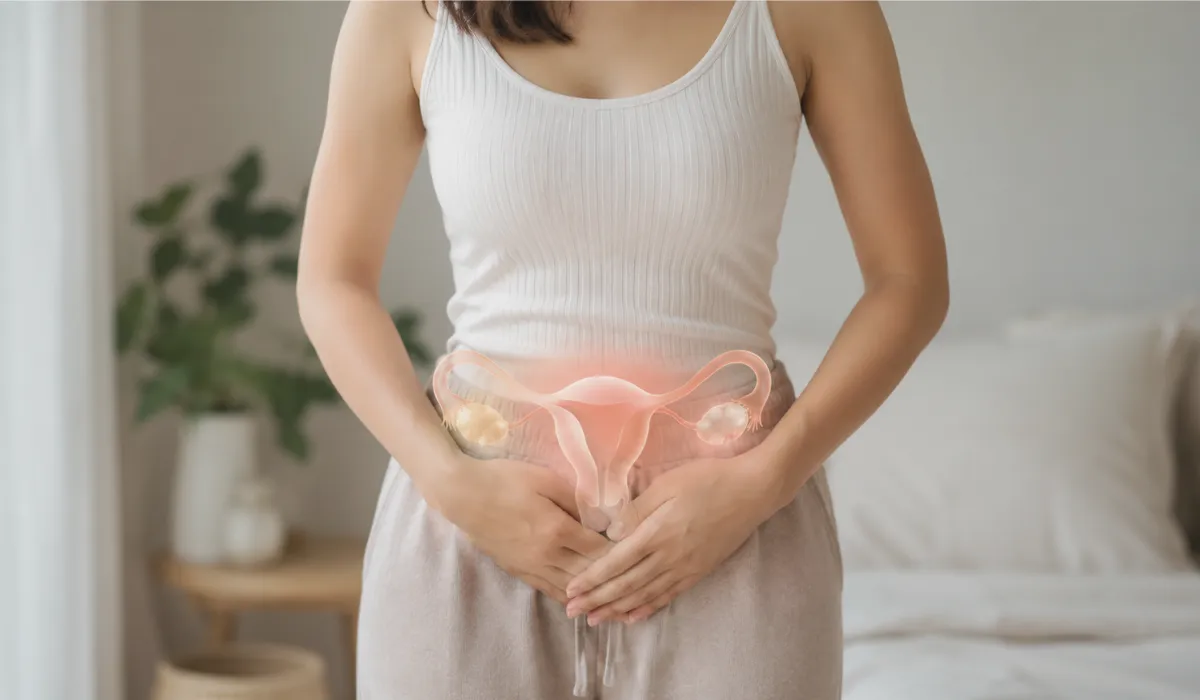
Yes, many women with PCOS can get pregnant, either naturally or with medical support. PCOS can make pregnancy harder for some people because it may affect ovulation, menstrual cycles, hormones, and insulin levels. However, having PCOS does not mean pregnancy is impossible.
PCOS, or polycystic ovary syndrome, is a common hormonal condition that can affect women during their reproductive years. Some women with PCOS have irregular periods, acne, weight changes, excess facial hair, or trouble predicting ovulation. Because ovulation is important for pregnancy, irregular ovulation can make it harder to know the best time to try.
The good news is that PCOS is one of the more manageable causes of fertility problems. With lifestyle changes, cycle tracking, medical guidance, and sometimes fertility treatment, many women with PCOS are able to conceive and have healthy pregnancies.
How PCOS Affects Fertility?
PCOS can affect fertility mainly by interfering with ovulation. Ovulation happens when the ovary releases an egg. For pregnancy to occur, sperm must meet the egg around the fertile window.
In women with PCOS, ovulation may happen less often or may not happen regularly. This can lead to irregular periods, long cycles, or missed periods. If ovulation is unpredictable, it becomes harder to time sex for pregnancy.
PCOS may also involve higher levels of androgens, which are often called male-type hormones. These hormones can affect egg development and may contribute to symptoms like acne, excess hair growth, or thinning hair.
Insulin resistance is another common issue linked with PCOS. When the body does not use insulin well, insulin levels may rise. This can affect hormones and may make ovulation problems worse.
Can You Get Pregnant Naturally With PCOS?
Yes, natural pregnancy is possible with PCOS. Some women with PCOS ovulate regularly enough to conceive without fertility treatment. Others may ovulate only a few times a year, which can reduce the chances of pregnancy.
The chance of getting pregnant naturally depends on several factors, including age, cycle pattern, weight, hormone levels, egg quality, sperm health, and overall reproductive health. PCOS is only one part of the fertility picture.
If your periods are somewhat regular, you may still be ovulating. If your periods are very irregular or absent, ovulation may be less frequent. In that case, getting pregnant naturally may take longer.
Trying naturally for a few months may be reasonable for some couples, especially if the woman is under 35 and has no other fertility concerns. However, if cycles are very irregular, getting medical advice earlier can save time.
Signs You May Be Ovulating With PCOS
Ovulation can be harder to track with PCOS, but there are some signs that may help. These include changes in cervical mucus, mild pelvic discomfort, breast tenderness, or a small rise in basal body temperature after ovulation.
Some women use ovulation predictor kits, but these can be confusing with PCOS. Thus a positive ovulation test usually means LH is rising, but women with PCOS may have higher LH levels at different times. This can sometimes cause repeated positive or unclear results.
Tracking your cycle over several months may give a better picture. Apps can help, but they are not always accurate for irregular cycles. Basal body temperature tracking, cervical mucus observation, and medical testing may be more useful.
A healthcare provider may use blood tests or ultrasound monitoring to confirm whether ovulation is actually happening. This can be helpful if you are trying to get pregnant and your cycles are unpredictable.
Lifestyle Changes That May Support Pregnancy
Healthy lifestyle changes may improve ovulation and fertility for some women with PCOS. Even small improvements can support hormone balance, insulin sensitivity, and menstrual regularity.
A balanced diet can help. Focus on whole foods such as vegetables, fruits, lean protein, whole grains, beans, nuts, seeds, and healthy fats. Reducing highly processed foods and sugary drinks may also help manage insulin levels.
Regular movement is also useful. Walking, strength training, yoga, cycling, or swimming may support weight management, blood sugar balance, and overall reproductive health. The goal is consistency, not extreme exercise.
Sleep and stress also matter. Poor sleep and high stress can affect hormones and make symptoms feel worse. A regular sleep schedule, relaxation habits, and emotional support may help the body function better.
Weight loss may improve ovulation in some women with PCOS who are overweight. However, not every woman with PCOS is overweight. Thin women can also have PCOS and fertility problems. Treatment should always be personalized.
When To See A Doctor?
If you are trying to get pregnant with PCOS, it is helpful to speak with a healthcare provider before waiting too long. This is especially important if your periods are very irregular, absent, or longer than 35 days.
Women under 35 are often advised to seek fertility help after 12 months of trying. However, with PCOS and irregular cycles, it may be reasonable to speak with a doctor sooner.
Women aged 35 or older should usually seek help after 6 months of trying. Age can affect egg quality and fertility, so early evaluation is important.
You should also see a doctor if you have very heavy bleeding, severe pelvic pain, symptoms of thyroid disease, repeated miscarriages, or signs of other hormonal problems. PCOS can overlap with other conditions, so proper testing matters.
Medical Treatments That May Help
If lifestyle changes and natural tracking are not enough, medical treatment may help. The goal is often to support regular ovulation.
Doctors may recommend medications that help the ovaries release an egg. These are called ovulation induction medicines. They are commonly used for women with PCOS who do not ovulate regularly.
Some women may also be prescribed medication to help with insulin resistance. This may support hormone balance in certain cases, especially when insulin issues are present.
Ultrasound monitoring and blood tests may be used during treatment to check how the ovaries respond. This helps reduce risks and improves timing.
If simpler treatments do not work, options such as intrauterine insemination or IVF may be discussed. IVF is not always the first step, but it can be helpful for some couples, especially when there are additional fertility factors.
Pregnancy Risks With PCOS
Many women with PCOS have healthy pregnancies. However, PCOS may be linked with a higher chance of certain pregnancy complications. These can include gestational diabetes, high blood pressure, preterm birth, and miscarriage.
This does not mean these problems will happen. It simply means careful prenatal care is important. A doctor may monitor blood sugar, blood pressure, weight gain, and fetal growth more closely.
If you have PCOS and become pregnant, schedule prenatal care early. Tell your healthcare provider about your cycle history, medications, previous pregnancy history, and any symptoms.
Healthy food choices, regular checkups, safe physical activity, and following medical advice can help support a safer pregnancy.
Can Birth Control Help Before Trying?
Birth control does not help you get pregnant while you are taking it, but it may be used before trying to manage symptoms. Some women with PCOS use hormonal birth control to regulate bleeding, reduce acne, or manage androgen-related symptoms.
Once birth control is stopped, cycles may take time to settle. Some women ovulate quickly, while others return to irregular cycles.
If you plan to try for pregnancy soon, speak with your doctor about when to stop birth control and how to track ovulation afterward.
Tips For Trying To Conceive With PCOS
Start by tracking your menstrual cycle. Write down period dates, cycle length, bleeding pattern, and symptoms. This information can help your doctor understand whether ovulation may be happening.
Try to have sex regularly, especially during the middle part of your cycle. If your cycles are irregular, having sex every two to three days can help cover the fertile window without depending only on ovulation tests.
Take a prenatal vitamin with folic acid before pregnancy, unless your doctor suggests something different. This supports early fetal development.
Manage blood sugar, sleep, stress, and weight in a healthy way. Avoid crash diets, over-exercising, smoking, and heavy alcohol use when trying to conceive.
Most importantly, do not blame yourself. PCOS is a medical condition, not a personal failure. Getting support early can make the process less stressful.
Final Verdict
Can you get pregnant with PCOS? Yes, pregnancy is possible for many women with PCOS. Some conceive naturally, while others need help with ovulation or fertility treatment.
PCOS may make pregnancy harder because it can affect ovulation, hormone balance, insulin levels, and menstrual regularity. However, it is also a condition with many treatment options.
If you have PCOS and want to get pregnant, start with cycle tracking, healthy lifestyle habits, and early medical guidance. With the right care, many women with PCOS go on to have successful pregnancies.
FAQ
Yes, some women with PCOS can get pregnant naturally without treatment. It depends on how often they ovulate and their overall fertility health.
No, PCOS does not always cause infertility. It can make ovulation irregular, but many women with PCOS still conceive naturally or with medical help.
You may track cervical mucus, basal body temperature, cycle changes, or use medical testing. Ovulation predictor kits may be less reliable with PCOS.
There is no perfect age, but fertility usually declines with age. Women with PCOS should seek guidance early if cycles are irregular.
Yes, PCOS may increase the risk of some pregnancy complications. Early prenatal care, blood sugar monitoring, and regular checkups can help reduce risks.
References
1. ACOG
Getting Pregnant Despite PCOS
https://www.acog.org/womens-health/experts-and-stories/the-latest/getting-pregnant-despite-pcos
2. Office on Women’s Health
Polycystic Ovary Syndrome
https://www.womenshealth.gov/a-z-topics/polycystic-ovary-syndrome
3. Mayo Clinic
Polycystic Ovary Syndrome – Symptoms and Causes
https://www.mayoclinic.org/diseases-conditions/pcos/symptoms-causes/syc-20353439
4. Cleveland Clinic
Polycystic Ovary Syndrome
https://my.clevelandclinic.org/health/diseases/8316-polycystic-ovary-syndrome-pcos