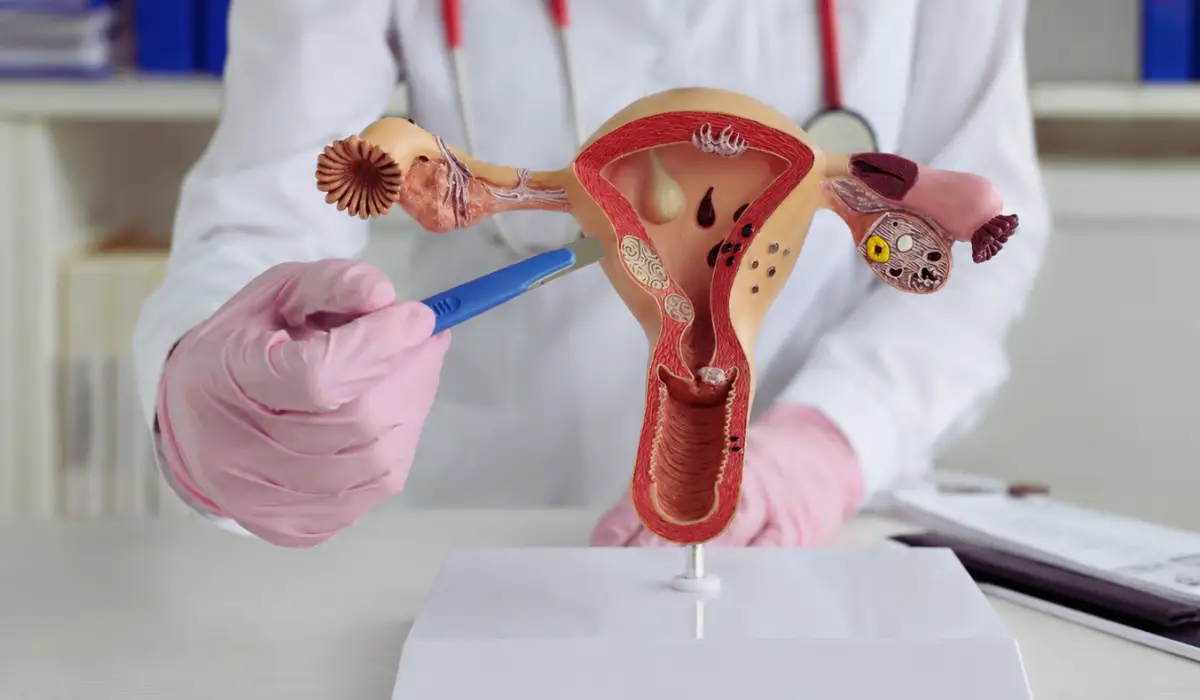
A hysterectomy does not always cure endometriosis. Removing the uterus stops menstrual periods and can reduce heavy bleeding, cramping, and certain types of pelvic pain. However, endometriosis usually grows outside the uterus. Lesions may remain on the ovaries, bladder, bowel, pelvic lining, or other nearby tissues, allowing symptoms to continue after surgery.
Why a Hysterectomy Is Not a Guaranteed Cure?
A hysterectomy removes the uterus. A total hysterectomy removes both the uterus and cervix, while the ovaries may be kept or removed during a separate procedure. After the uterus is removed, menstrual periods and the ability to carry a pregnancy permanently end.
Endometriosis is not limited to the uterus. It involves tissue similar to the uterine lining growing elsewhere in the body. Removing the uterus does not automatically remove these areas. The European Society of Human Reproduction and Embryology advises that patients should be told that hysterectomy will not necessarily cure either the symptoms or the disease.
The procedure can be particularly helpful when endometriosis occurs alongside adenomyosis or severe bleeding. Adenomyosis affects the muscular wall of the uterus, so removing the uterus addresses that source of pain and bleeding.
Why Pain Can Continue After Surgery?
Endometriosis may remain outside the uterus
Residual lesions can continue causing inflammation, scarring, pain during sex, bowel discomfort, bladder symptoms, or ongoing pelvic pain. NICE recommends removing all visible endometriosis lesions when a hysterectomy is performed for someone with the condition.
Endometriosis is often found around the ovaries, fallopian tubes, and pelvic lining. It can also affect organs such as the bladder and bowel. Deep endometriosis involving these structures can require treatment from a specialist surgical team.
Pelvic pain can have more than one cause
Not every symptom comes directly from active endometriosis. Adhesions, pelvic floor muscle tension, irritable bowel syndrome, painful bladder conditions, nerve irritation, and increased pain sensitivity can also contribute to chronic pelvic pain.
A detailed evaluation before surgery is therefore important. When several conditions are causing symptoms, a hysterectomy may treat only one part of the problem.
Does Removing the Ovaries Make a Difference?
A hysterectomy is different from an oophorectomy, which removes one or both ovaries. When the ovaries remain, they continue producing hormones that can stimulate endometriosis lesions left behind.
Removing both ovaries may reduce the likelihood of future endometriosis pain, but it still cannot guarantee that every symptom will disappear. The decision must be balanced against the effects of early surgical menopause.
Surgical menopause can cause hot flashes, sleep changes, vaginal dryness, mood changes, and longer-term health considerations. The possible need for hormone replacement therapy should also be discussed. The right choice depends on age, medical history, symptom severity, disease location, menopause risks, and personal preferences.
When Might Hysterectomy Be Considered?
Doctors generally consider a hysterectomy for endometriosis only after less invasive treatments have failed to provide enough relief. It may be discussed when chronic pelvic pain disrupts work, sleep, relationships, or daily activities, especially when hormonal treatment or conservative surgery has not worked. A hysterectomy may also be considered when severe bleeding or adenomyosis is present.
Because hysterectomy is major and permanent surgery, it is usually viewed as a later or last-resort treatment for severe endometriosis symptoms. It is generally more suitable for people who do not want a future pregnancy and when the expected benefits outweigh the risks. Anyone unsure about fertility should discuss egg freezing, embryo freezing, uterus-preserving surgery, and other reproductive options before making a decision.
Treatment Options Before Hysterectomy
Treatment should reflect the person’s symptoms, fertility goals, medical history, and response to earlier care. Options can include:
- Anti-inflammatory pain medicine
- Combined hormonal contraception
- Progestin tablets, injections, implants, or hormonal intrauterine devices
- GnRH agonists or antagonists
- Pelvic floor physical therapy
- Laparoscopic removal of endometriosis lesions
Medicines are often tried first, while surgery may be offered when symptoms are severe, other treatments have failed, or endometriosis is affecting fertility.
Laparoscopic excision can remove visible endometriosis while preserving the uterus. It may be used for ovarian endometriomas or deep disease, although symptoms can still return after conservative surgery.
A second opinion from an endometriosis specialist can help determine whether hysterectomy, excision, medical treatment, pelvic floor therapy, or a combined plan is most appropriate.
Practical Safety and Symptom-Management Tips
There is no proven way to prevent endometriosis completely. Before surgery, keep a record of pelvic pain, bleeding, bowel symptoms, bladder problems, and medication use. Ask whether imaging shows adenomyosis, ovarian cysts, or deep endometriosis, and confirm whether the surgeon plans to remove all visible lesions.
Discuss whether the cervix and ovaries will remain and how surgery could affect fertility, menopause, and sexual health. It is also important to plan for pain control, physical therapy, follow-up care, and practical support with meals, transport, childcare, and household tasks during recovery.
Learning about laparoscopic hysterectomy recovery can help you prepare for aftercare and support at home.
When to Seek Professional Help?
See a gynecologist when pelvic pain repeatedly affects work, sleep, sex, exercise, bowel movements, or urination. Specialist advice is also appropriate when symptoms continue despite treatment, fertility is affected, or major surgery is being considered.
After hysterectomy, contact the surgical team for fever, increasing abdominal pain, heavy bleeding, wound redness, unusual drainage, vomiting, difficulty urinating, worsening symptoms, or severe back pain after hysterectomy. Breathing difficulty, fainting, chest pain, or sudden leg swelling requires urgent medical attention.
Final Thoughts
A hysterectomy can provide meaningful relief for severe endometriosis, particularly when heavy uterine bleeding or adenomyosis is also involved. However, it should not be presented as a definite cure.
Better outcomes are more likely when the diagnosis is carefully reviewed, visible endometriosis is treated during surgery, other causes of pelvic pain are addressed, and decisions about ovarian removal are made through informed discussion with an experienced specialist.
FAQs
No. A hysterectomy removes the uterus, but endometriosis lesions can exist elsewhere. Symptoms may improve substantially, yet residual disease or other pain sources can remain.
Pain can return after treatment when endometriosis remains on the ovaries, bowel, bladder, pelvic lining, or nerves. Pelvic floor problems and pain sensitization may also contribute.
Not always. Keeping the ovaries avoids immediate surgical menopause, while removing them may lower recurrence risk. The decision requires an individualized discussion of benefits and harms.
Pregnancy is not possible after the uterus is removed. Anyone uncertain about future fertility should discuss egg freezing, embryos, surrogacy, and alternatives before any operation.
Excision removes or cuts out visible endometriosis lesions while preserving the uterus. Hysterectomy removes the uterus and should include treatment of visible disease when performed.
Seek urgent care for heavy bleeding, fever, worsening abdominal pain, breathing difficulty, chest pain, fainting, inability to urinate, or redness and drainage from an incision.