
Learning how to prevent legionnaires’ disease in the home starts with understanding how Legionella bacteria spread. The infection usually happens when a person breathes in tiny water droplets that contain the bacteria. These droplets may come from showers, faucets, hot tubs, humidifiers, or other water devices that create mist.
Legionnaires’ disease is uncommon at home, but it can be serious. The goal is simple: keep water systems clean, reduce stagnant water, maintain devices properly, and know when symptoms need medical care.
What Causes Legionnaires’ Disease?
Legionnaires’ disease is a type of pneumonia caused by Legionella bacteria. These bacteria can live in freshwater, but they become a health concern when they grow inside human-made water systems.
The bacteria grow more easily when water is warm, disinfectant levels are too low, water sits unused, or biofilm builds up inside pipes and fixtures. Biofilm is a slimy layer where germs can collect and multiply.
Can You Get It at Home?
Yes, but it is less common than in large buildings such as hotels, hospitals, or offices. Home risk can come from taps and showers that are not used often, hot tubs, humidifiers, and other water devices that create spray.
Regular home air conditioners and car air conditioners are not usually a risk because they do not use water to cool the air. The concern is water mist, not normal cold air.
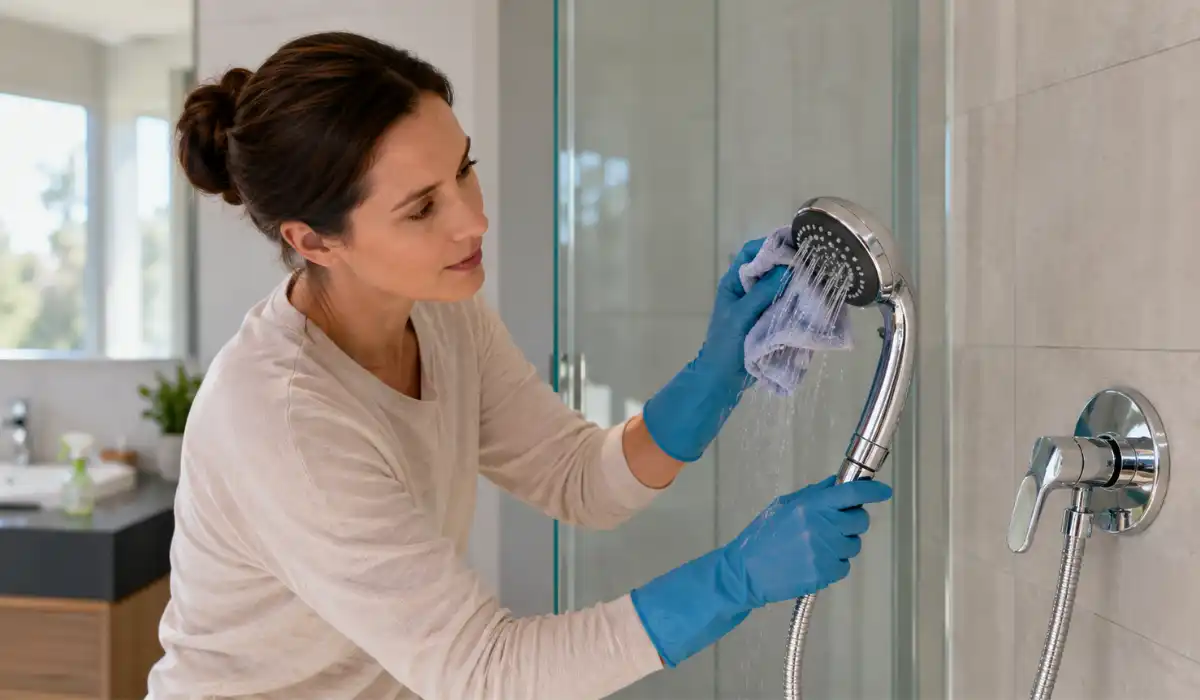
Clean Showerheads and Faucets
Showerheads and faucets can collect mineral buildup and slimy residue over time. These surfaces should be cleaned regularly, especially if the shower or sink has not been used for a while.
Remove buildup when you see it. Follow the fixture’s cleaning instructions and use a safe cleaning product. Good ventilation can also help reduce mist exposure, so open a window or use an exhaust fan during showers when possible.
Flush Water After Low Use
Water that sits unused in pipes can become a problem, especially after a week or longer. When you turn the water back on, germs from pipe slime may come out through faucets, showerheads, humidifiers, or other devices.
If a tap or shower has not been used for several days, let the water run before close contact. Avoid standing directly in the spray at first. This is especially important for guest bathrooms, vacation homes, or rarely used sinks.
Maintain Hot Tubs Carefully
Hot tubs need extra care because warm water and mist can create a higher-risk environment. People can breathe in mist from a hot tub if Legionella is present in the water.
Keep hot tubs clean, disinfected, and balanced. Check chlorine, bromine, and pH levels as directed. Scrub surfaces, replace filters as recommended, and change water according to manufacturer or local guidance. A hot tub that smells strong, looks cloudy, or feels slimy should not be used.
Clean Humidifiers and Water Devices
Humidifiers, nebulizers, decorative fountains, and similar devices can produce small droplets. If they are not cleaned well, bacteria may grow inside them.
Empty, clean, and dry humidifiers as directed by the manufacturer. Do not leave old water sitting in the tank. Use the recommended water type and replace filters when needed.
Check Water Heater Safety
Water temperature matters. Legionella grows more easily in certain warm-water ranges, so water heater settings and routine maintenance can affect risk. Some guidance recommends keeping water heaters at or above 120°F to help reduce Legionella growth, but higher temperatures can increase scalding risk.
Do not adjust your water heater without considering children, older adults, or anyone at risk of burns. If you are unsure, ask a licensed plumber or local professional about safe settings, mixing valves, and routine flushing.
Practical Home Prevention Tips
Keep rarely used taps and showers from sitting untouched for long periods. Clean visible buildup on fixtures and avoid using devices with slimy residue.
Follow maintenance instructions for filters, water softeners, humidifiers, and hot tubs. Some filters can reduce disinfectant residuals, so they must be replaced and maintained properly.
People at higher risk should be extra careful around hot tubs, poorly maintained water features, and mist from water systems. Higher-risk groups include adults over 50, current or former smokers, and people with chronic lung disease, weak immune systems, diabetes, kidney failure, liver failure, or cancer.
When to Seek Professional Help?
Call a healthcare provider if you develop fever, cough, shortness of breath, muscle aches, chest discomfort, or flu-like symptoms after possible exposure to risky water sources.
Seek urgent care for trouble breathing, chest pain, confusion, coughing blood, severe weakness, or symptoms that are getting worse. Tell the provider about any recent hot tub use, hotel stay, hospital visit, water system issue, or home plumbing concern.
Final Thoughts
Preventing Legionnaires’ disease at home is mostly about water safety. Clean fixtures, maintain hot tubs and humidifiers, flush rarely used water lines, and avoid breathing mist from poorly maintained devices.
You cannot remove every possible risk, but simple habits can lower exposure. If pneumonia-like symptoms appear after possible contact with contaminated water mist, get medical advice early.
FAQs
Yes, but it is less common at home. Risk may come from poorly maintained hot tubs, humidifiers, showerheads, faucets, or unused water lines.
Most infections happen from breathing contaminated water mist, not drinking water. Aspiration can rarely cause illness when water accidentally enters the lungs.
Clean showerheads when you notice mineral buildup, slime, or reduced flow. Rarely used showers may need flushing and cleaning more often.
Regular home and car air conditioners are not usually a risk because they do not use water to cool air or create contaminated mist.
Hot tubs should be cleaned, disinfected, filtered, and tested regularly. Avoid using hot tubs with cloudy water, slimy surfaces, or poor maintenance.
Risk is higher for adults over 50, smokers, people with chronic lung disease, weak immune systems, diabetes, kidney disease, liver disease, or cancer.